At Our Feet
🇫🇷 Version Française / 🇩🇪 Deutsche Version
A different kind of “street photography”
You may remember that my very first blog post was about the importance of having a passion project as a photographer. In that post, I focused on the absolutely stunning Aquatower in Berdorf — but I also briefly mentioned a second, more abstract project of mine called “At Our Feet”.
Well, I figured it was time I wrote a couple of lines about this one too. 😉
This project started back in 2021. Yes, during one of the infamous “Covid-19 years”. Home office, social distancing, hydroalcoholic gel — also commonly known as hand sanitiser 😅 — and medical masks had suddenly become part of everyday life.
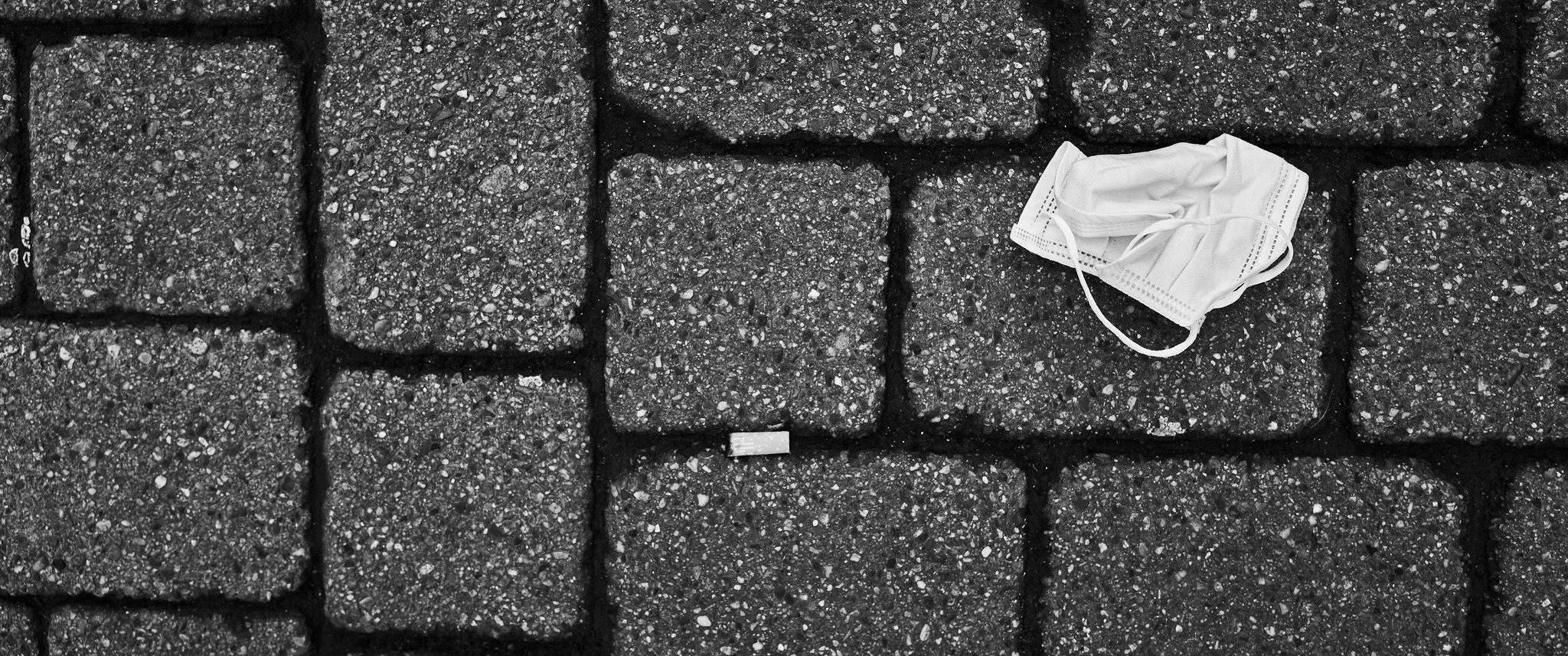
On the rare occasions I ventured outside, I noticed that cigarette butts and chewing gum had been joined by a new addition to the ranks of things people carelessly throw away: medical masks.
And that made me realise something.
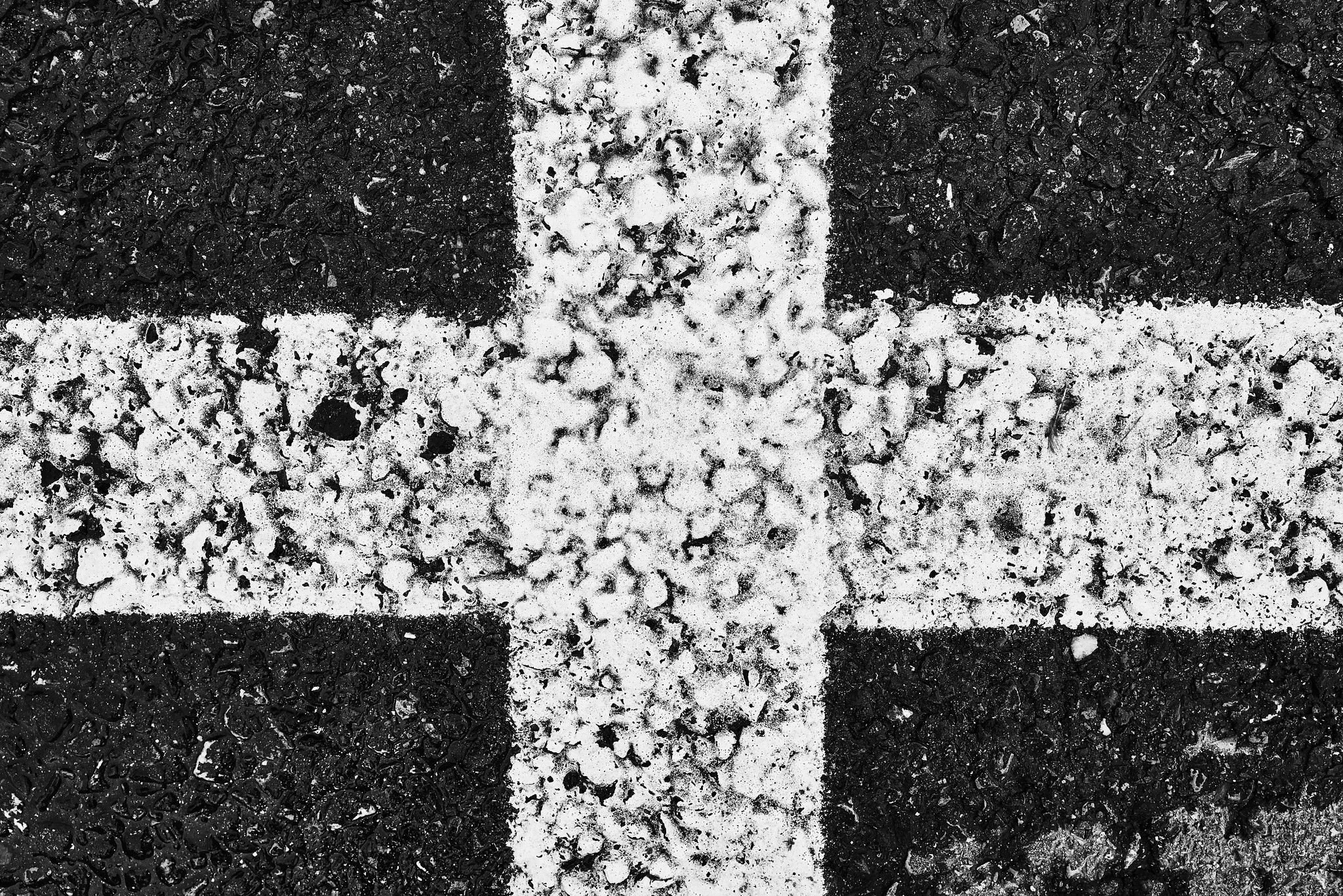
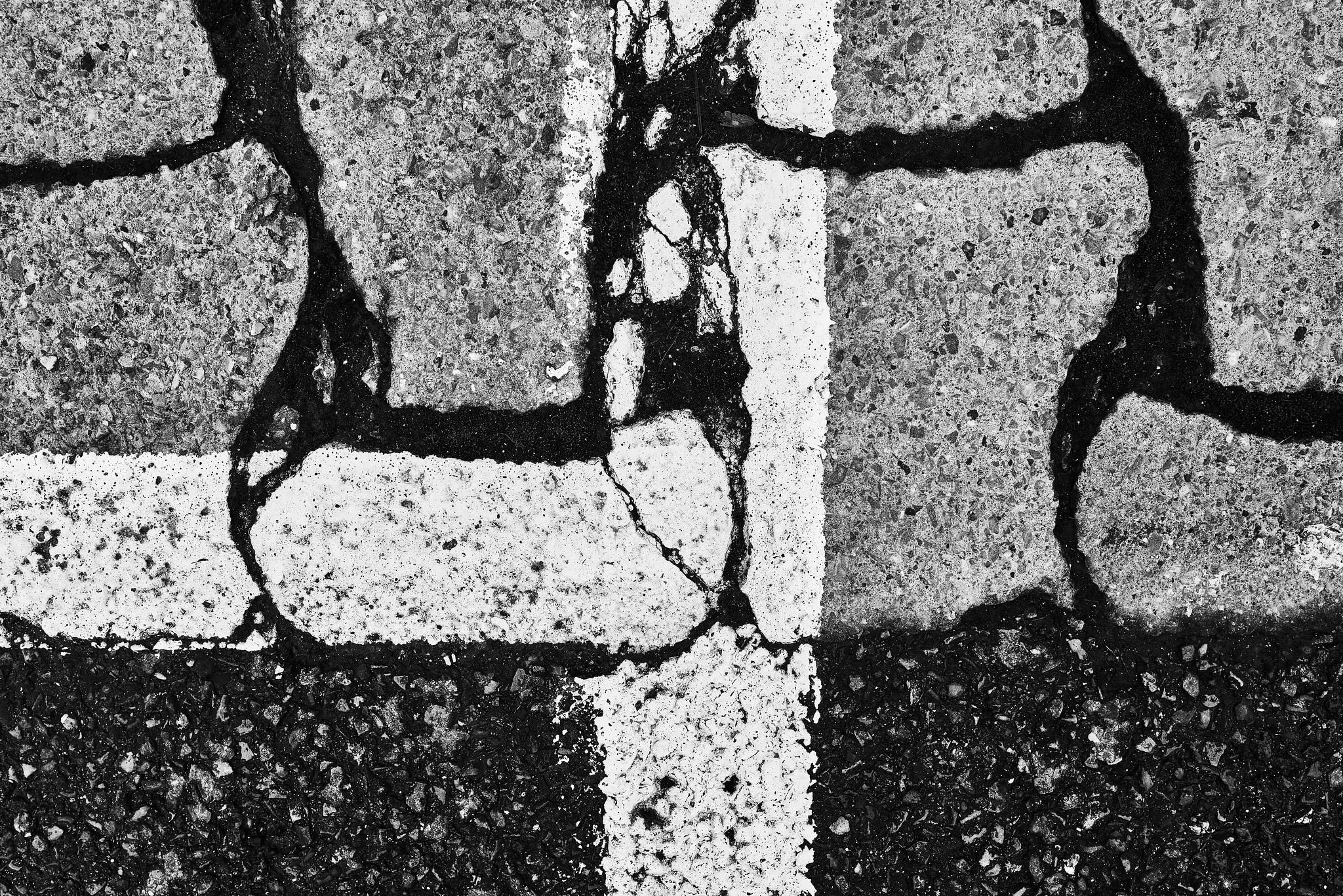
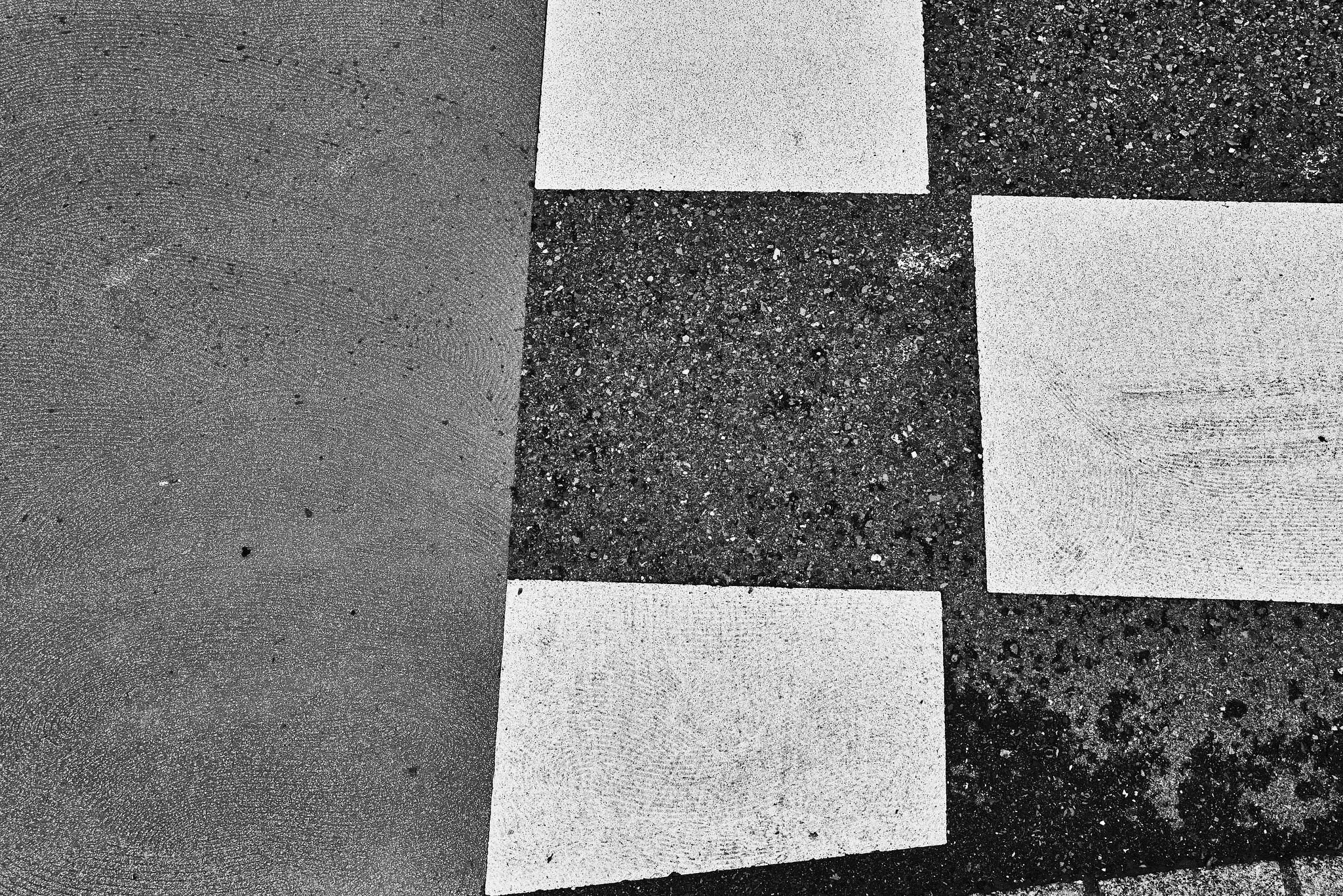
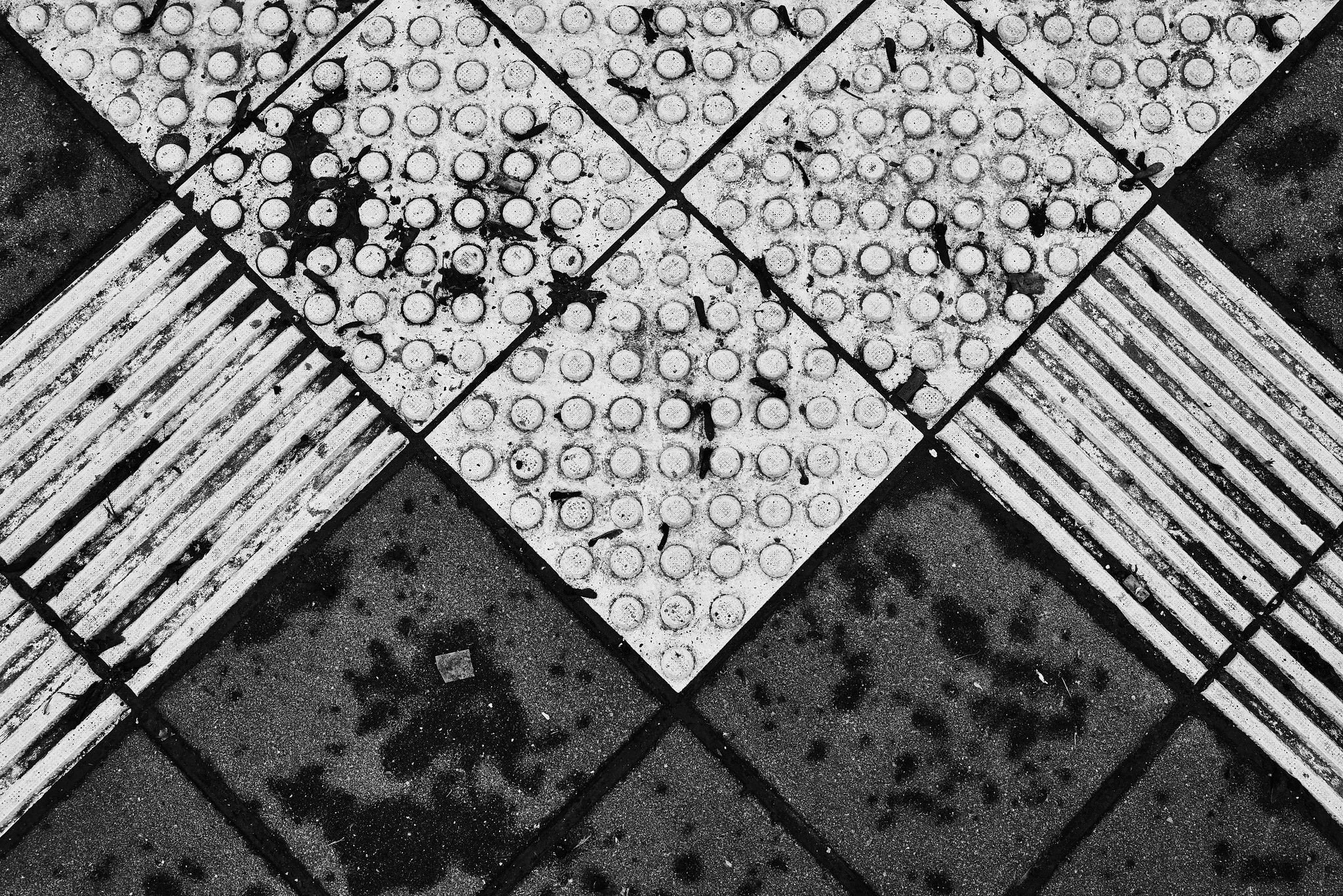
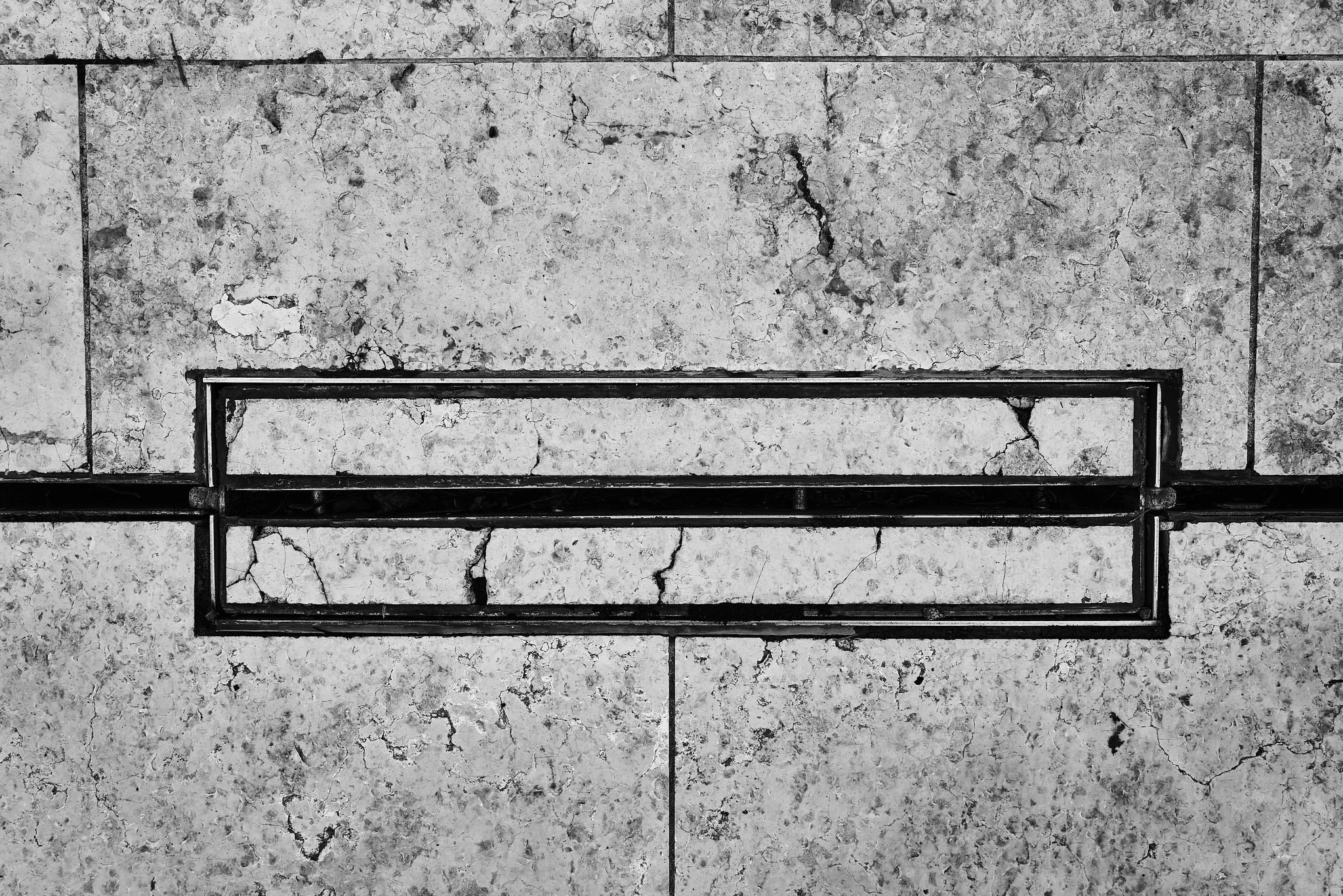
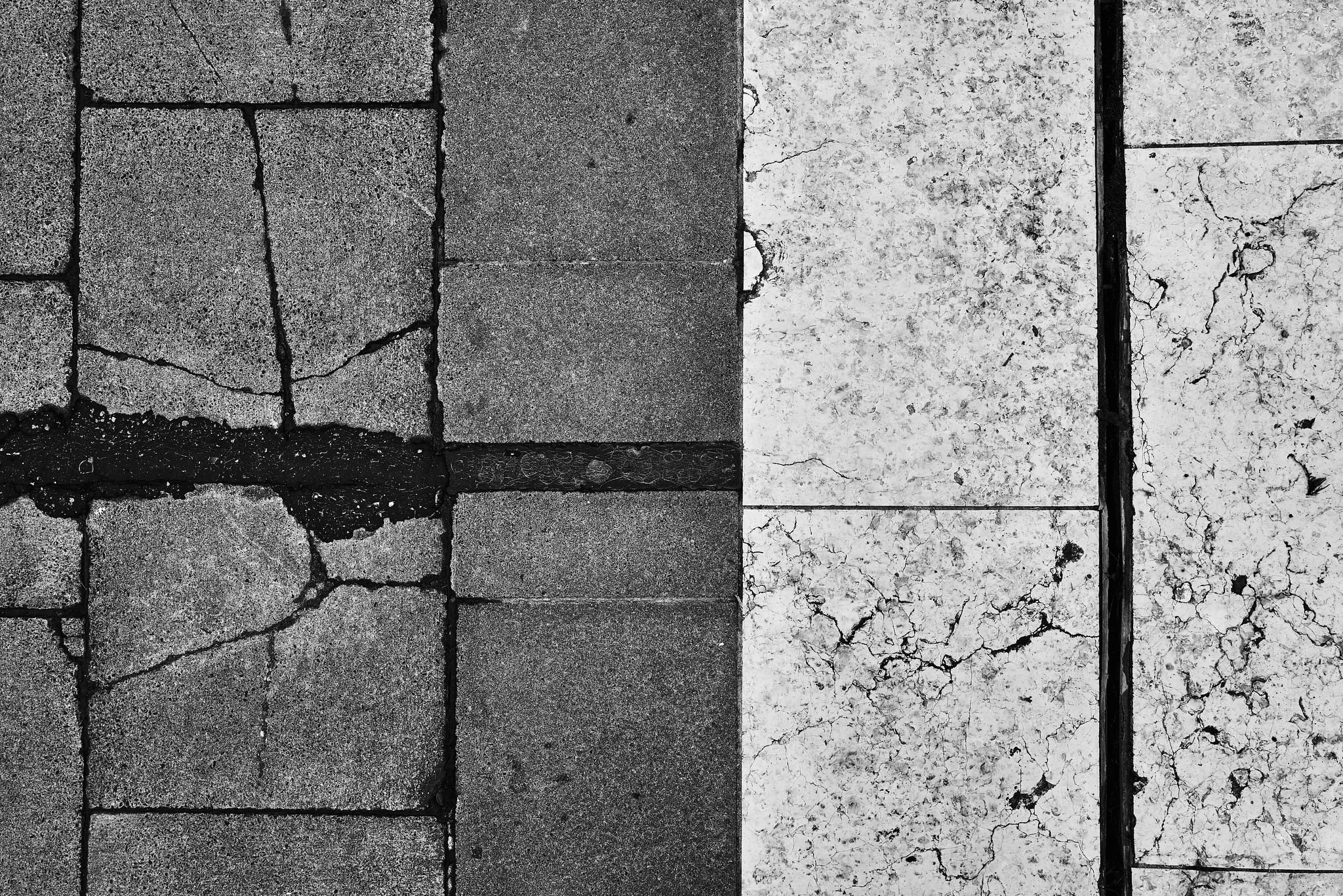
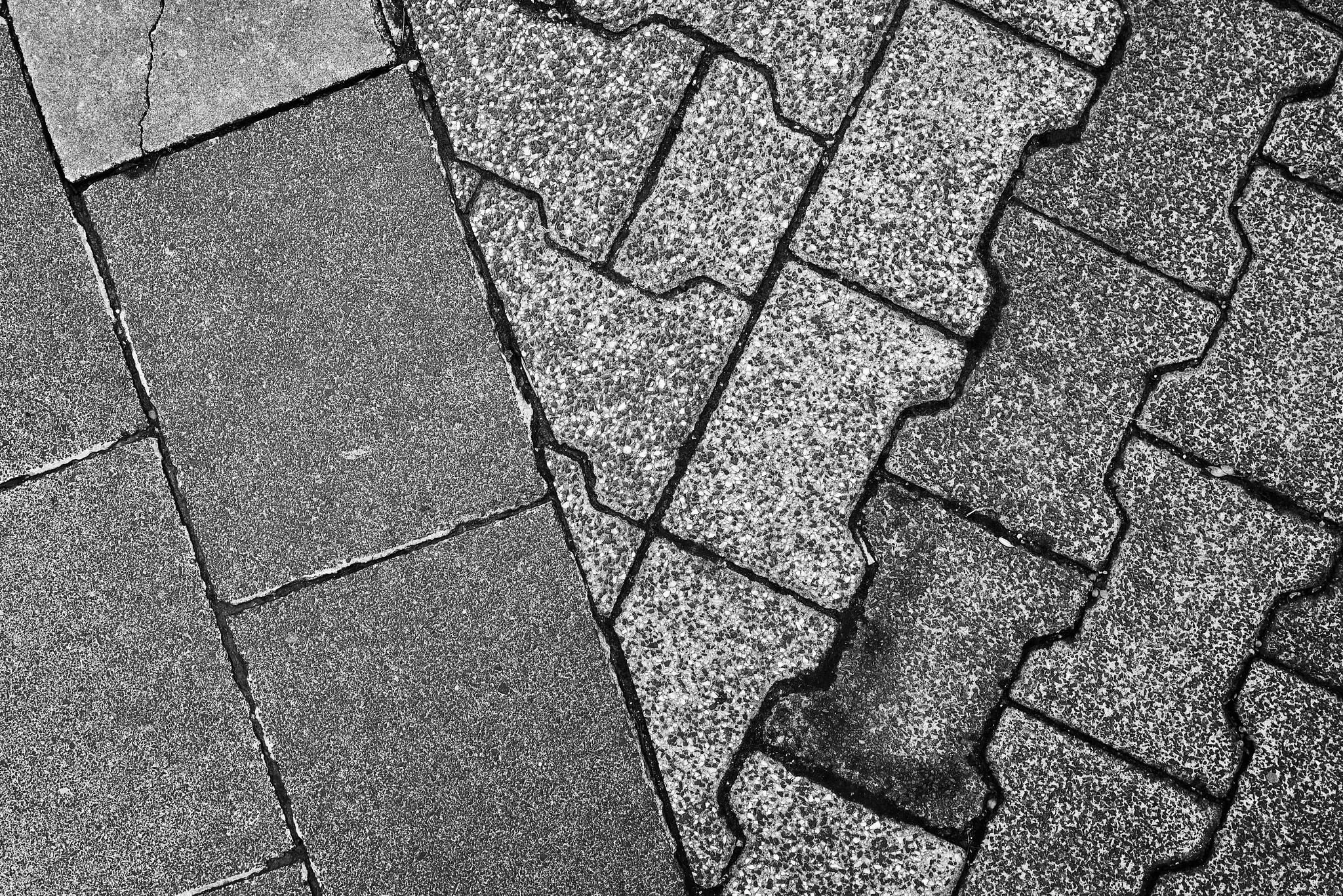
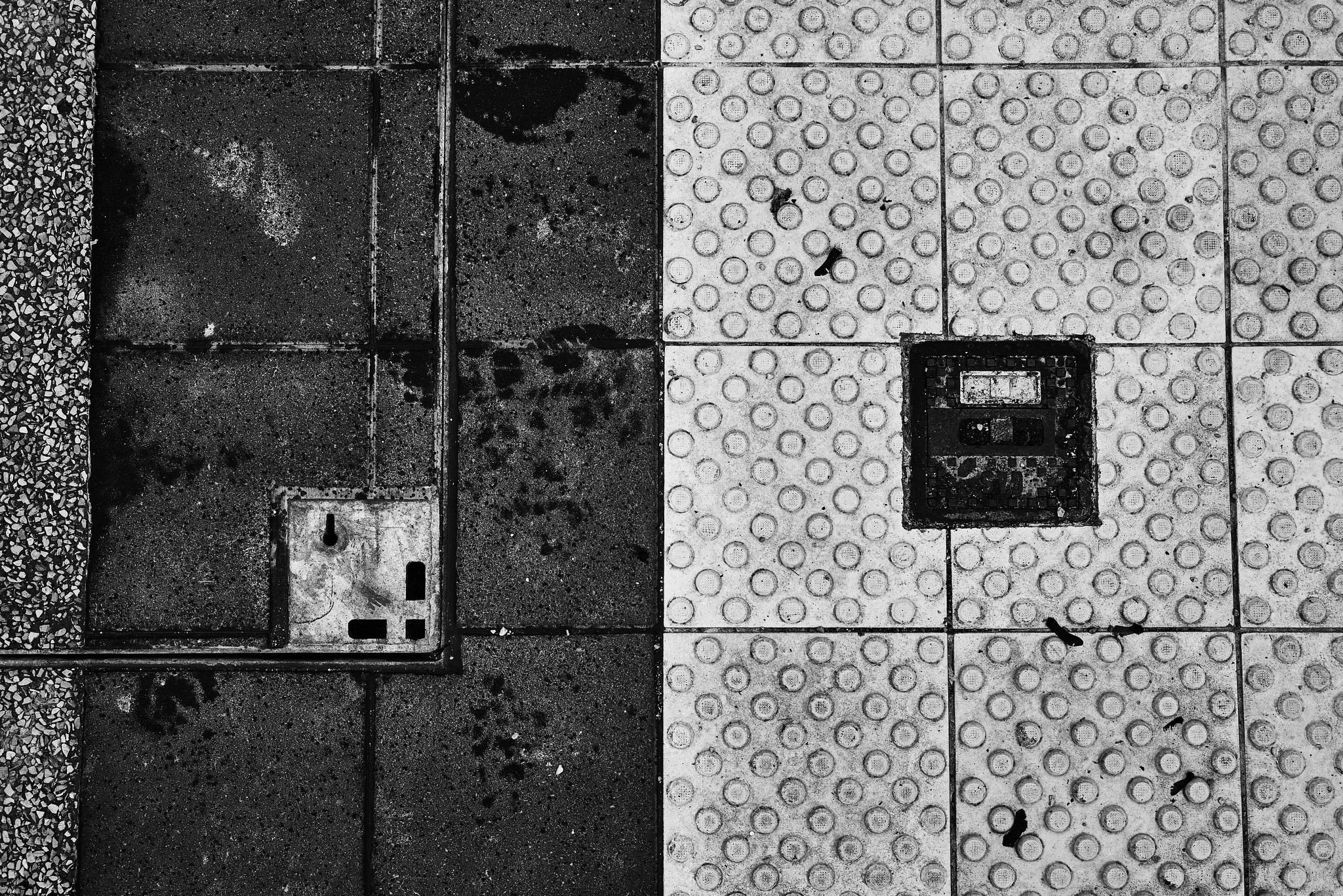
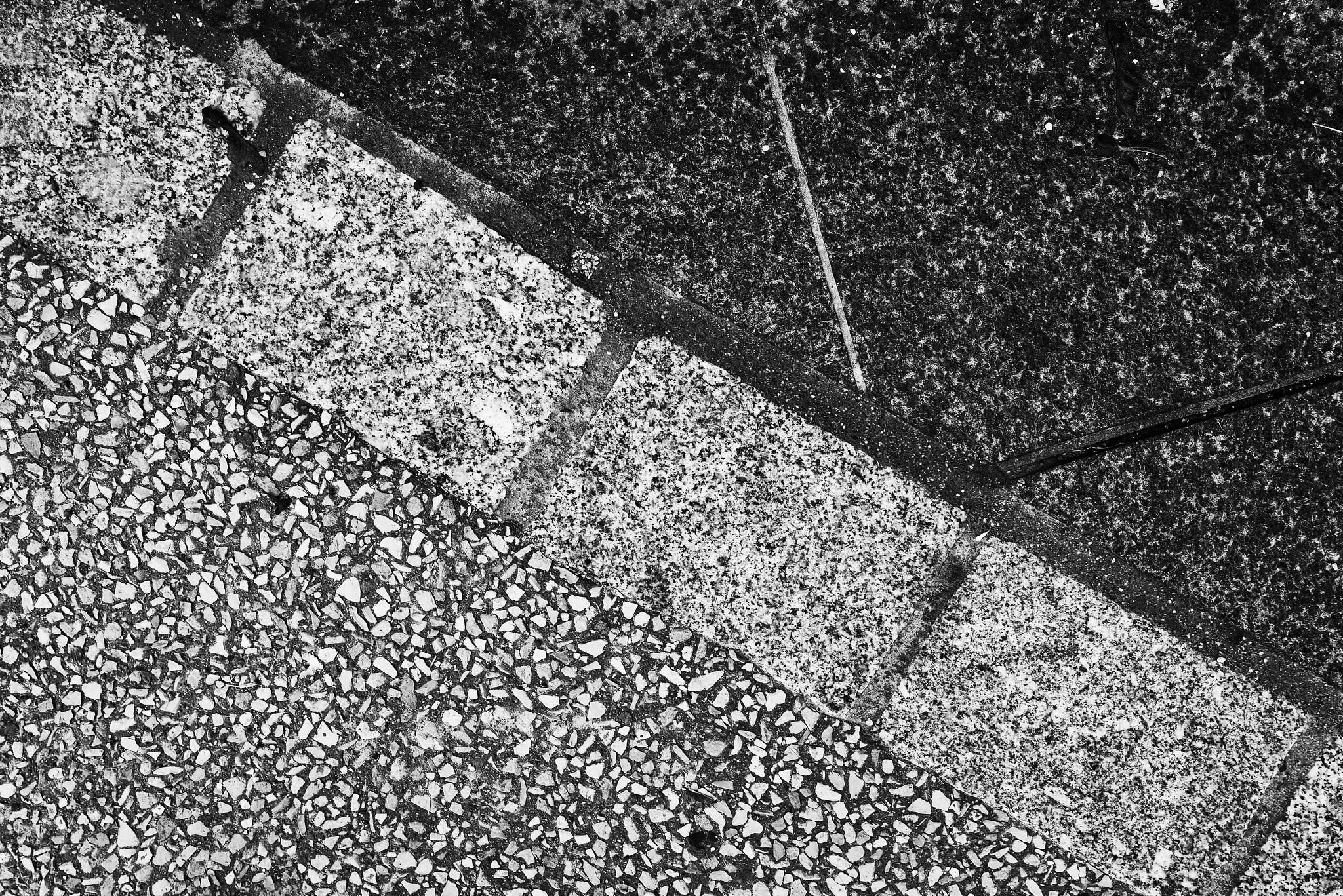
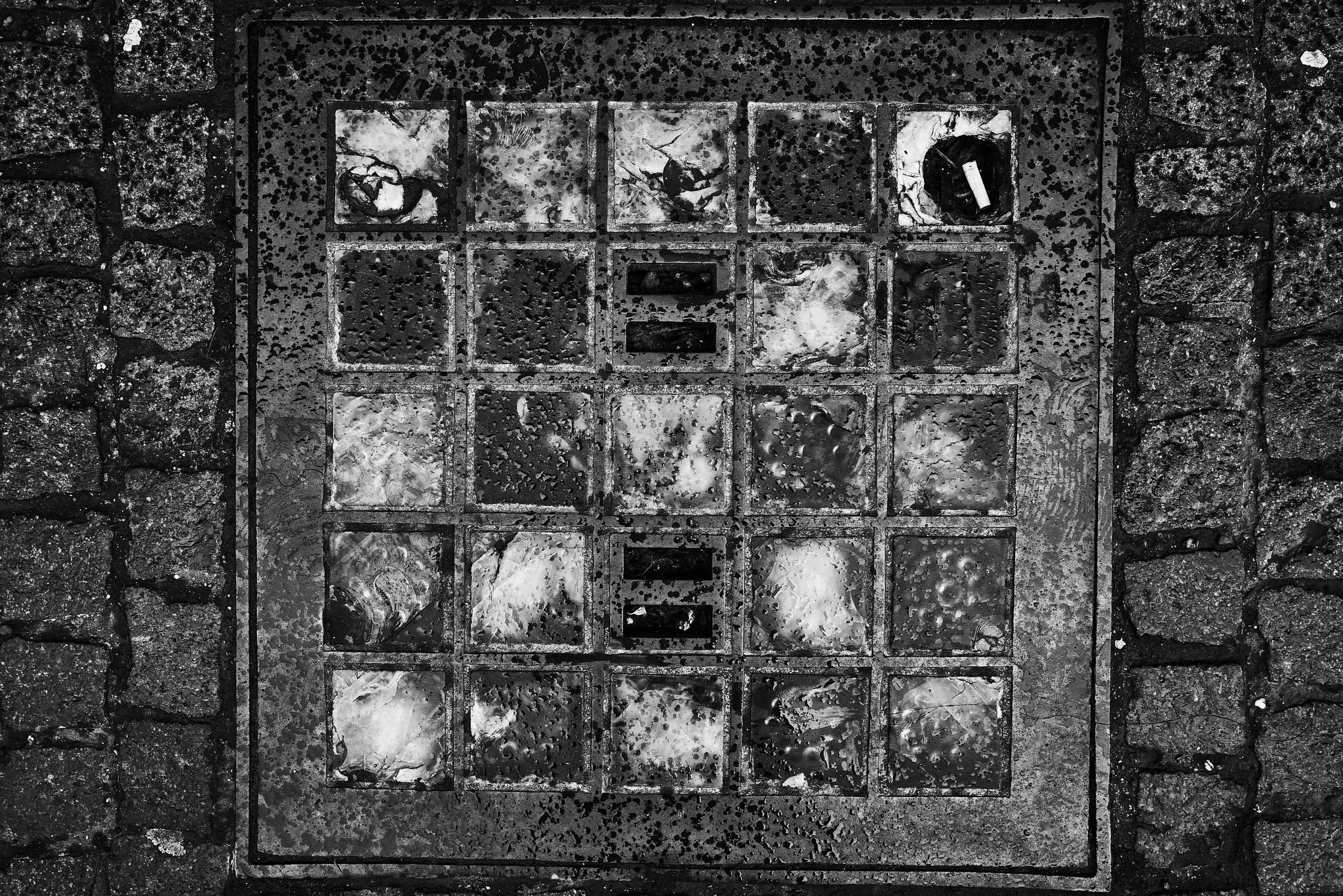
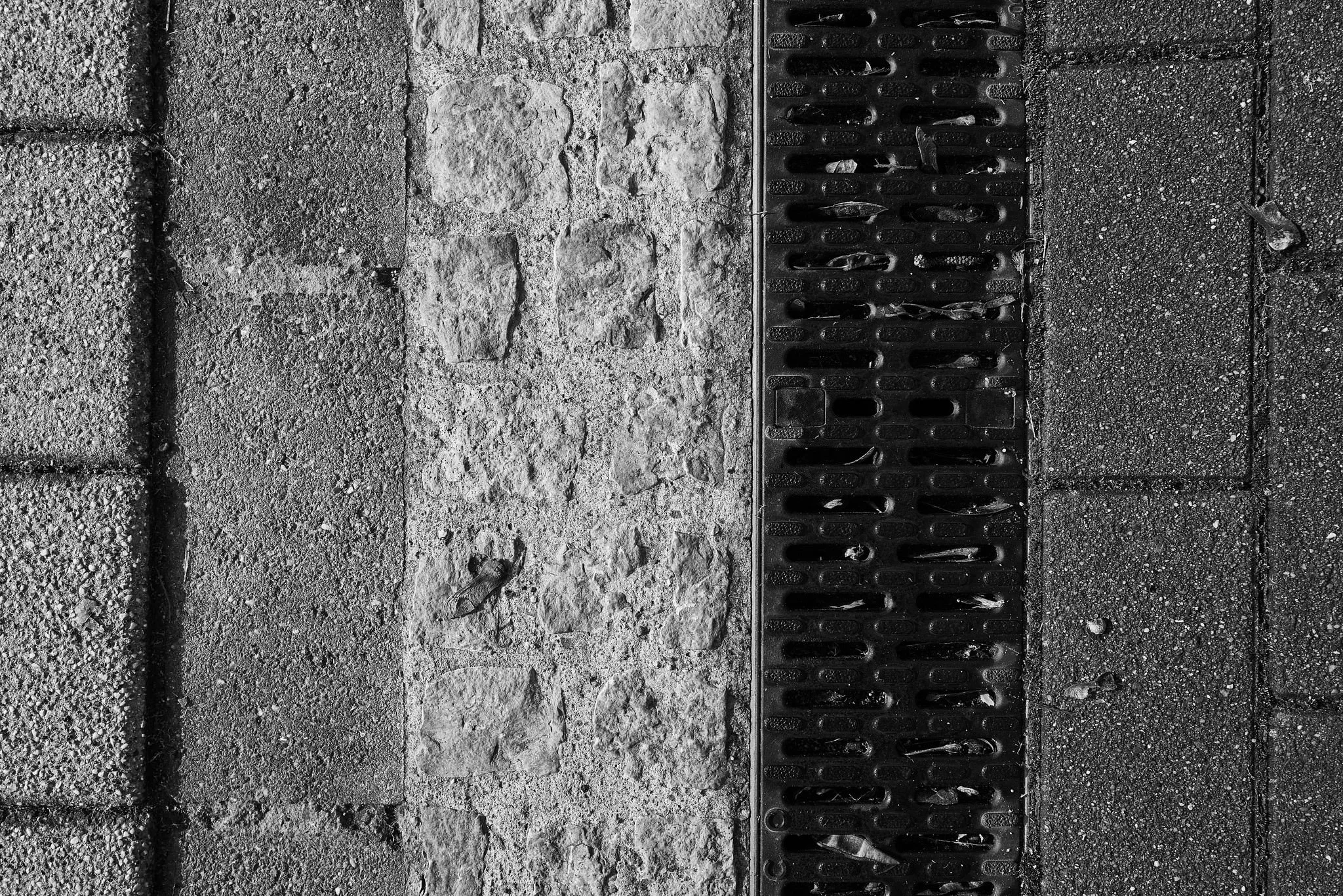
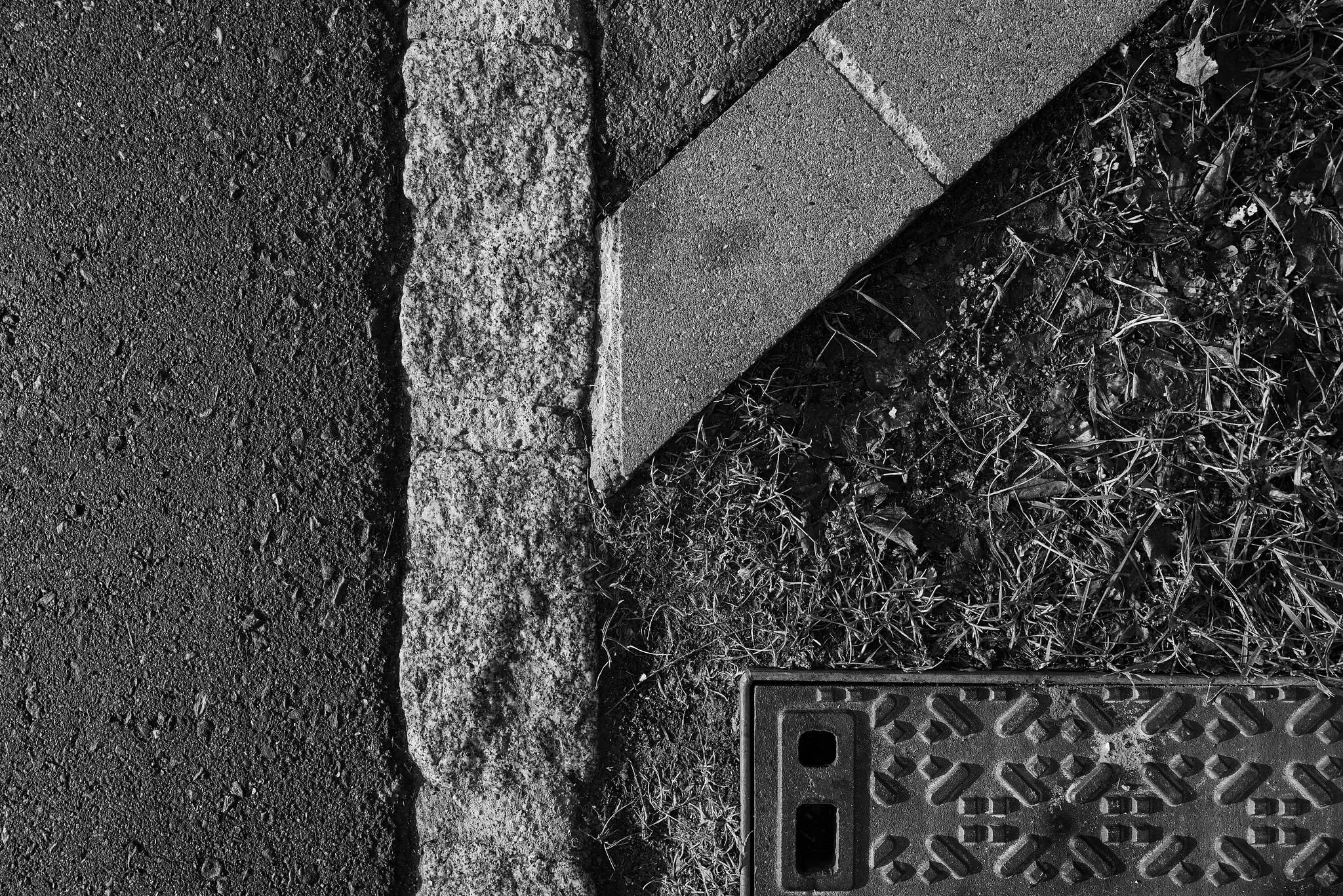
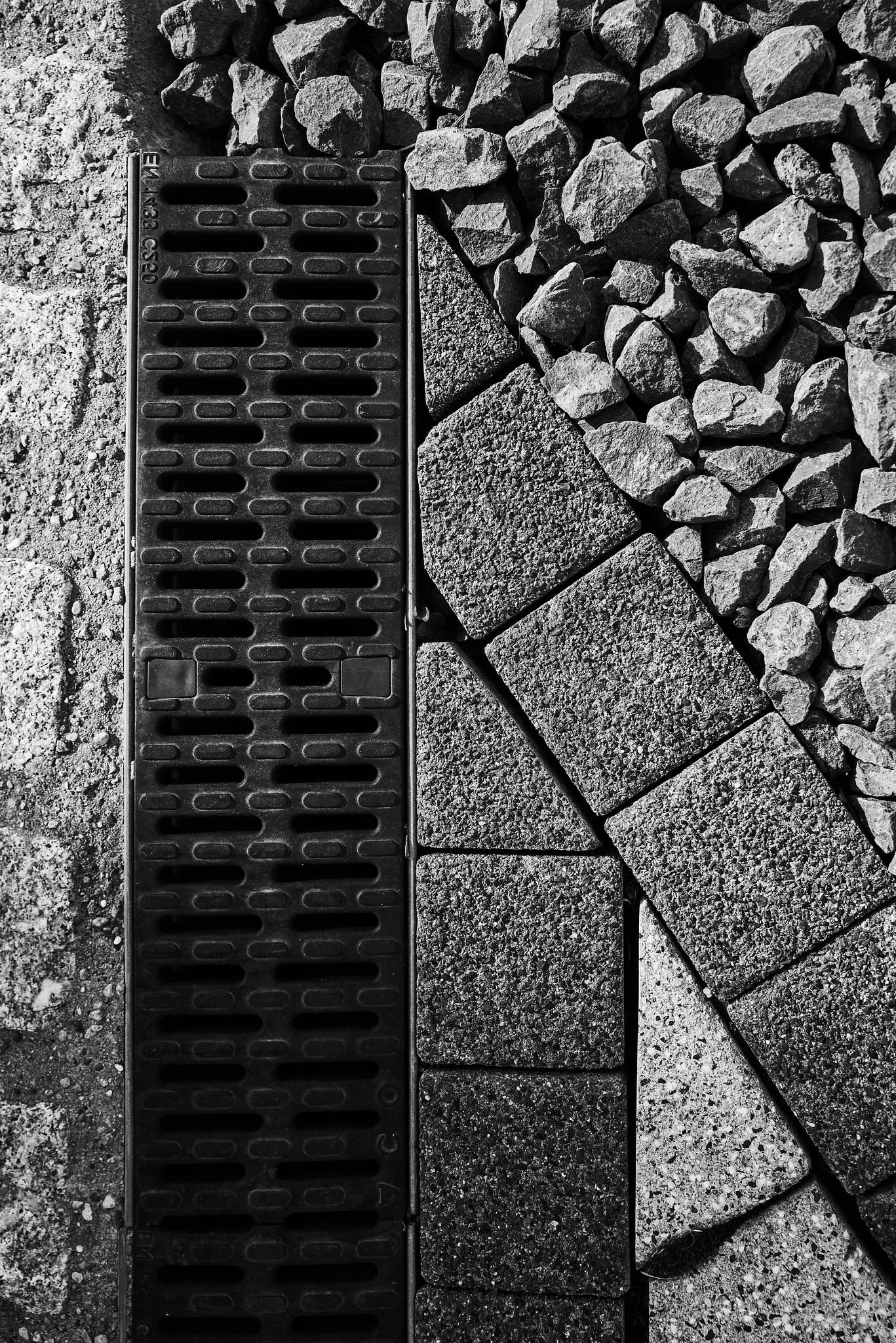
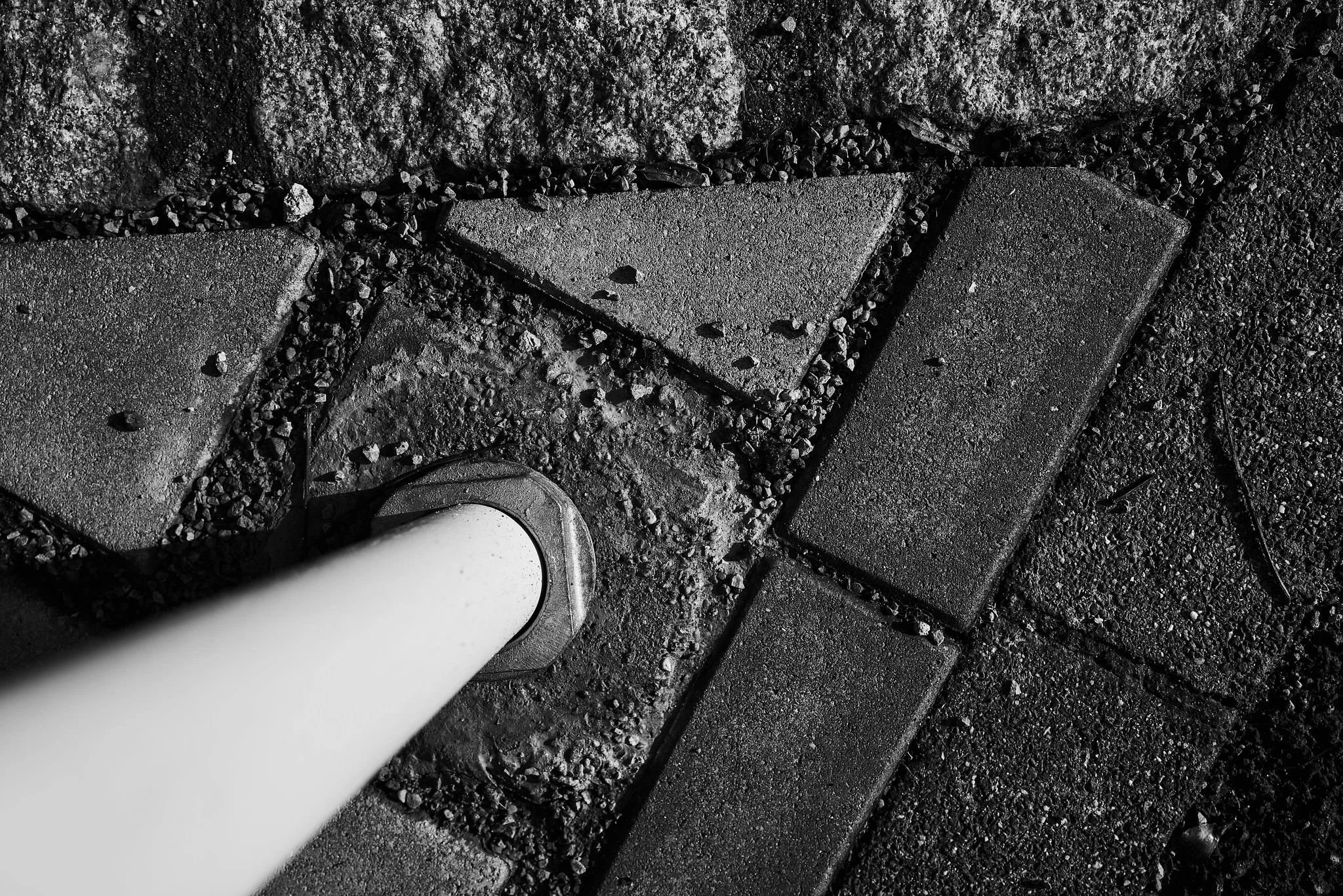
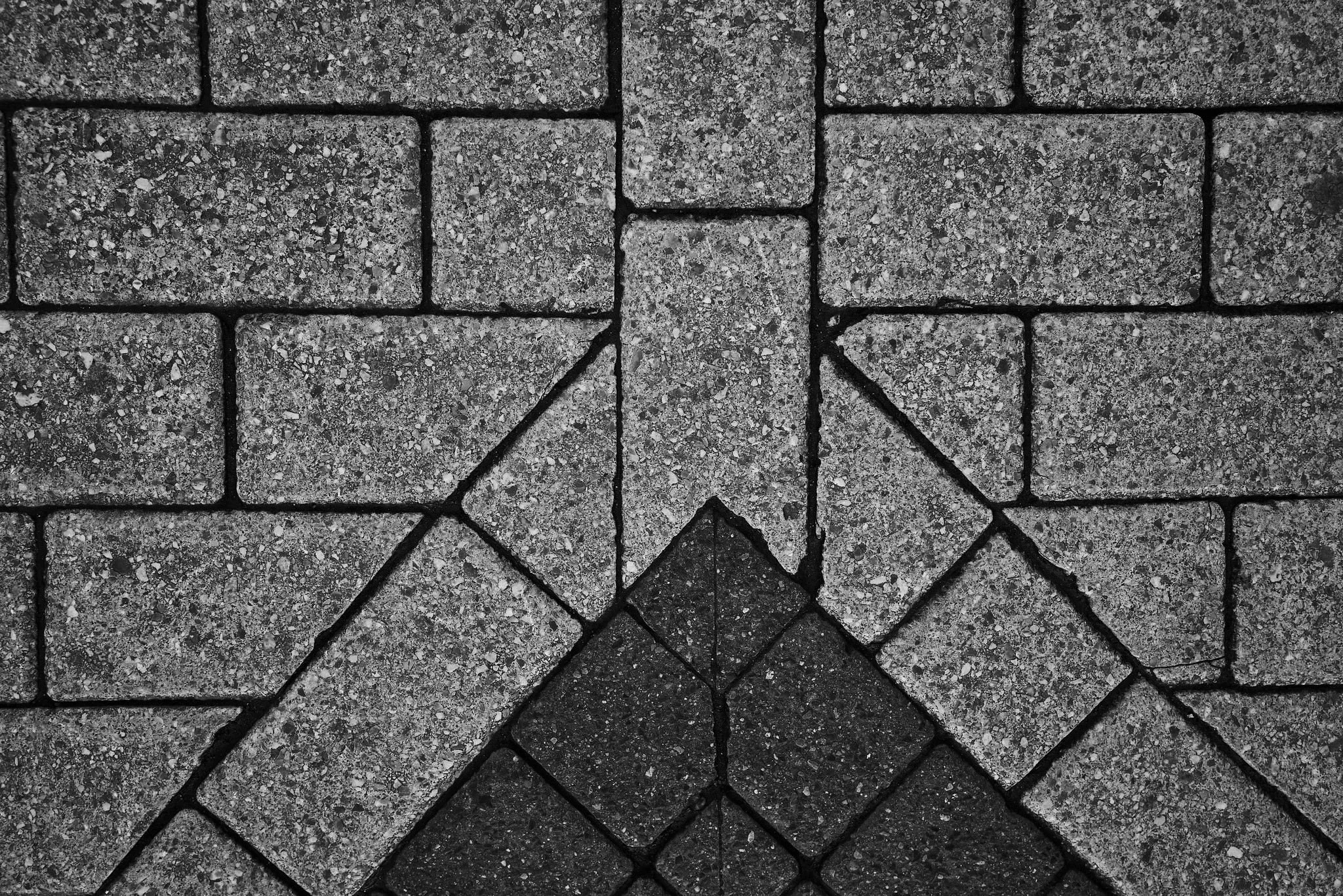
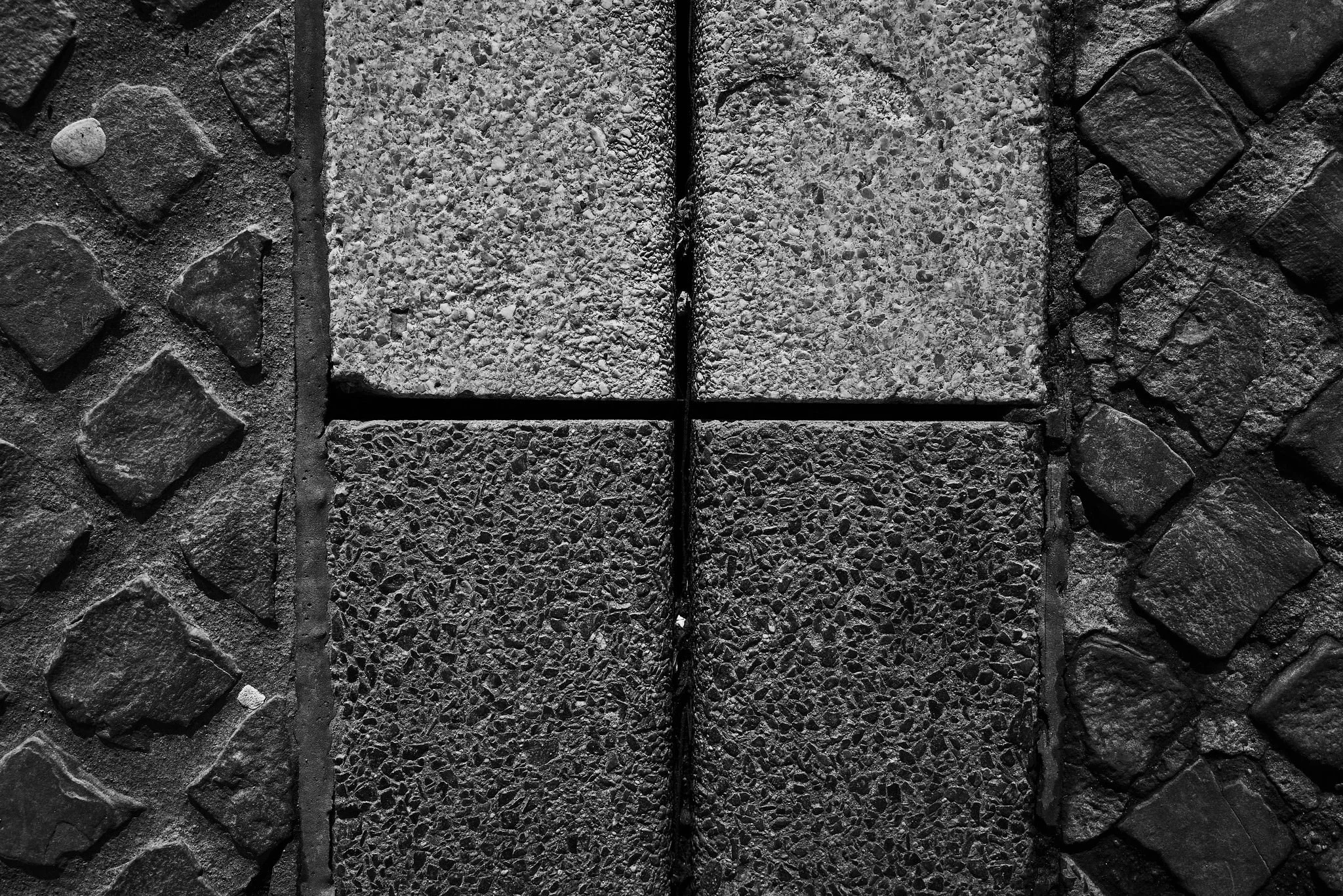
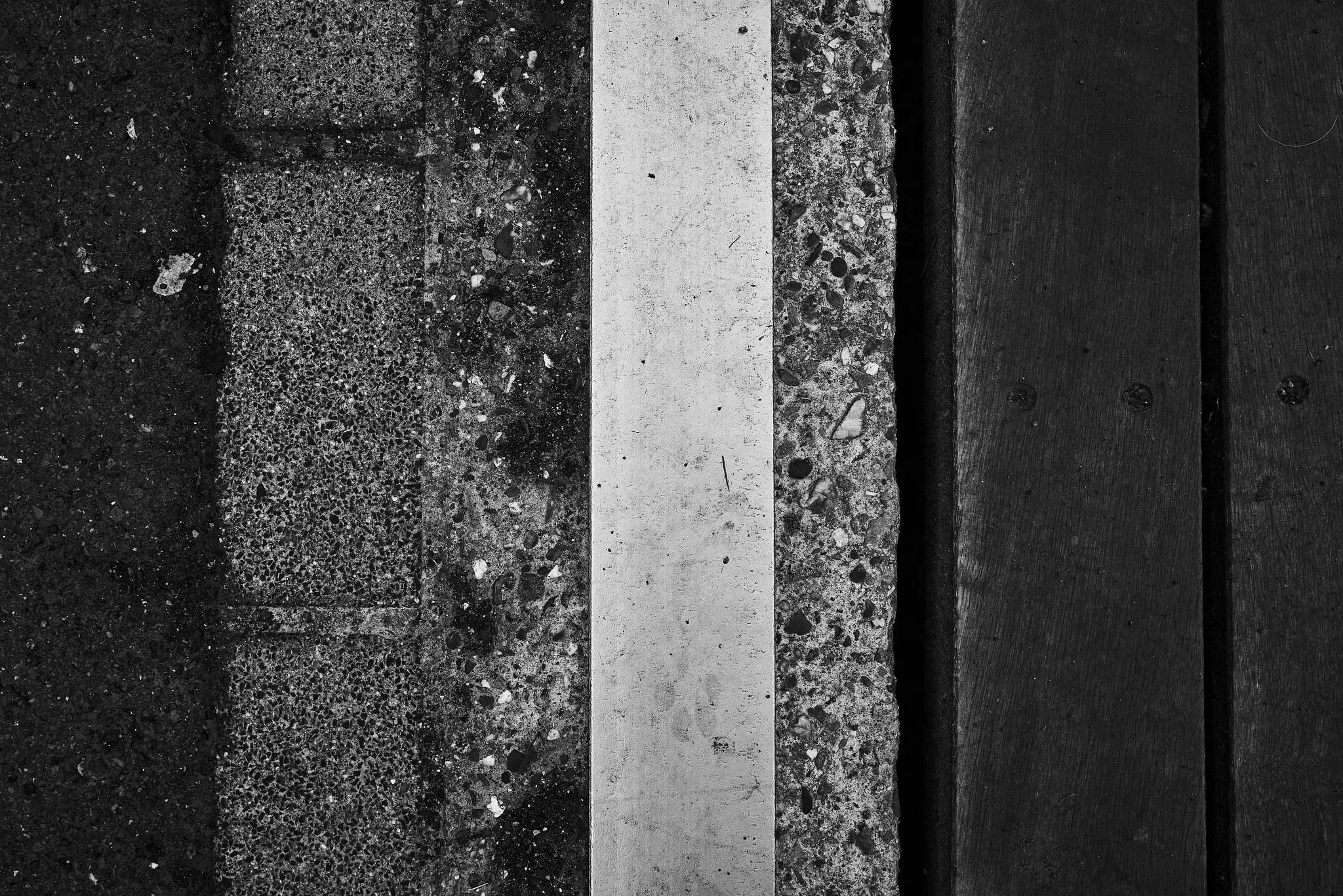
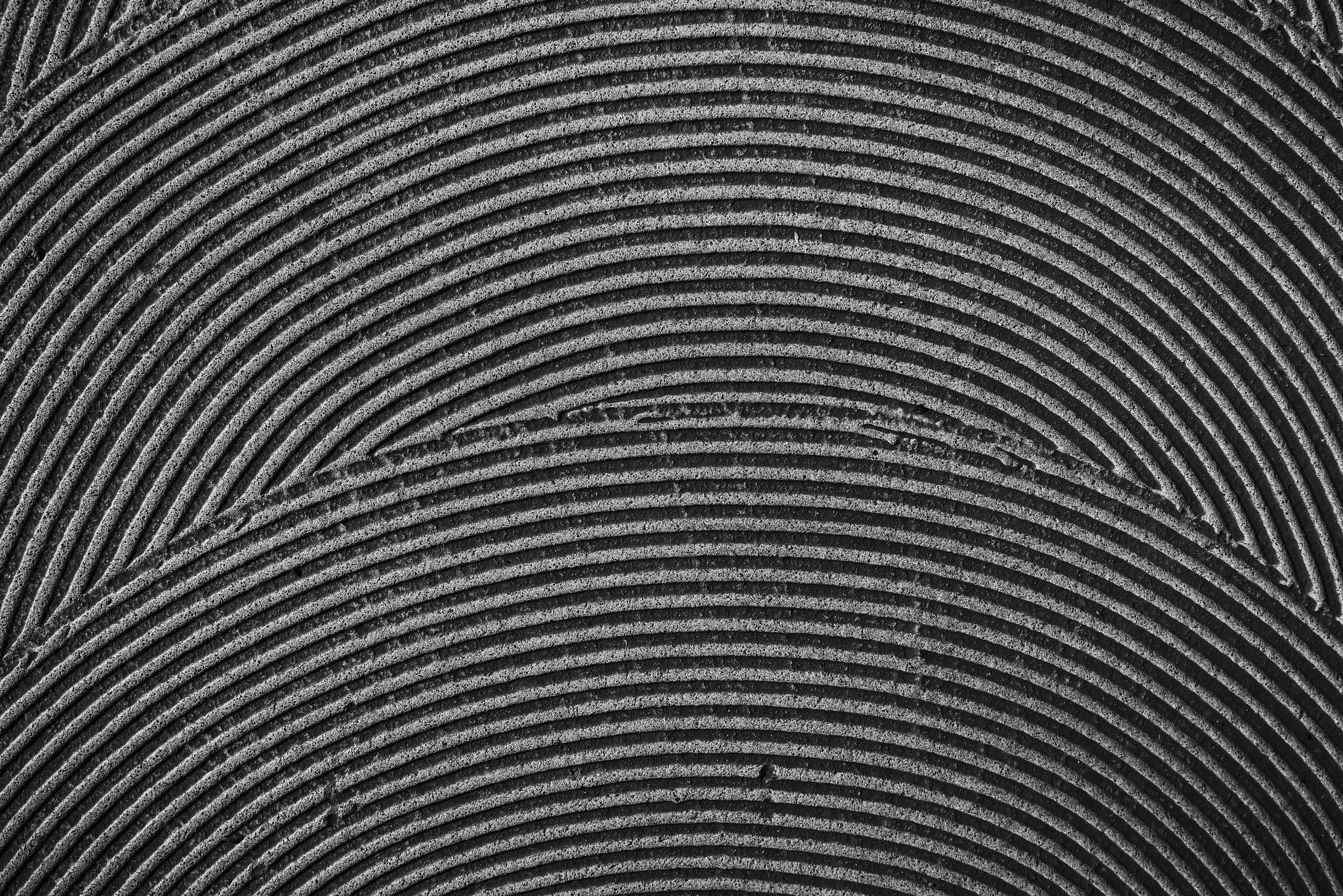
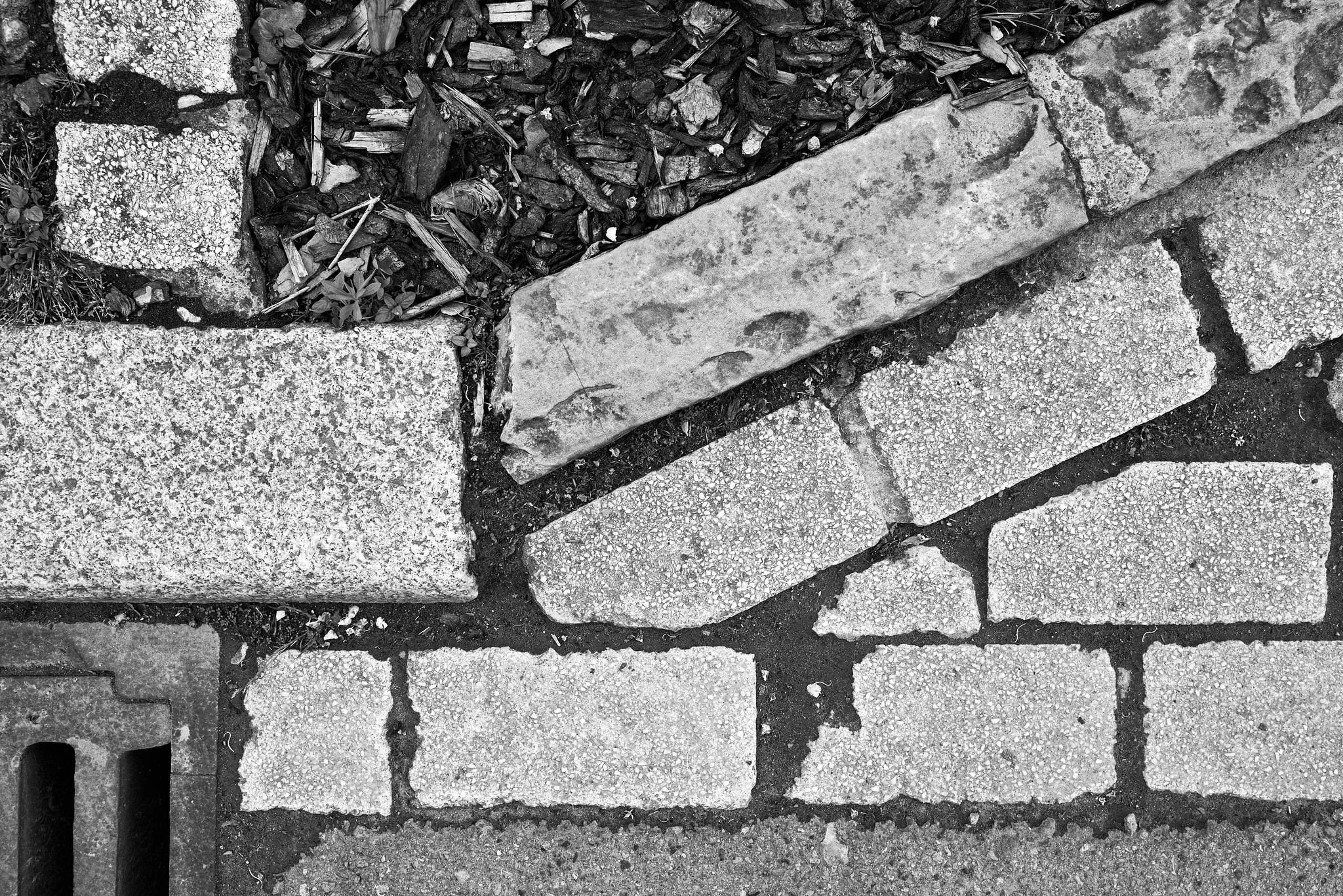
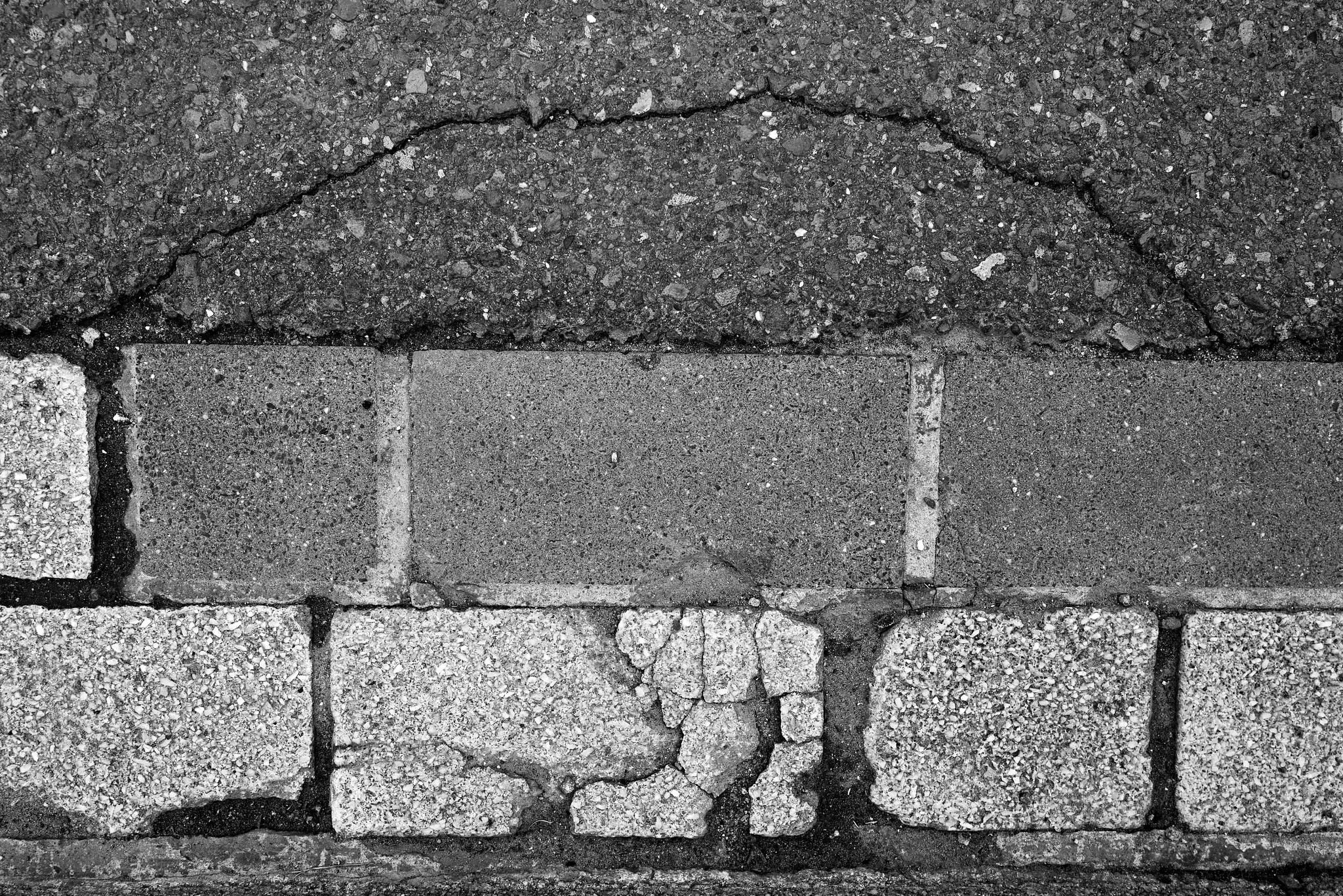
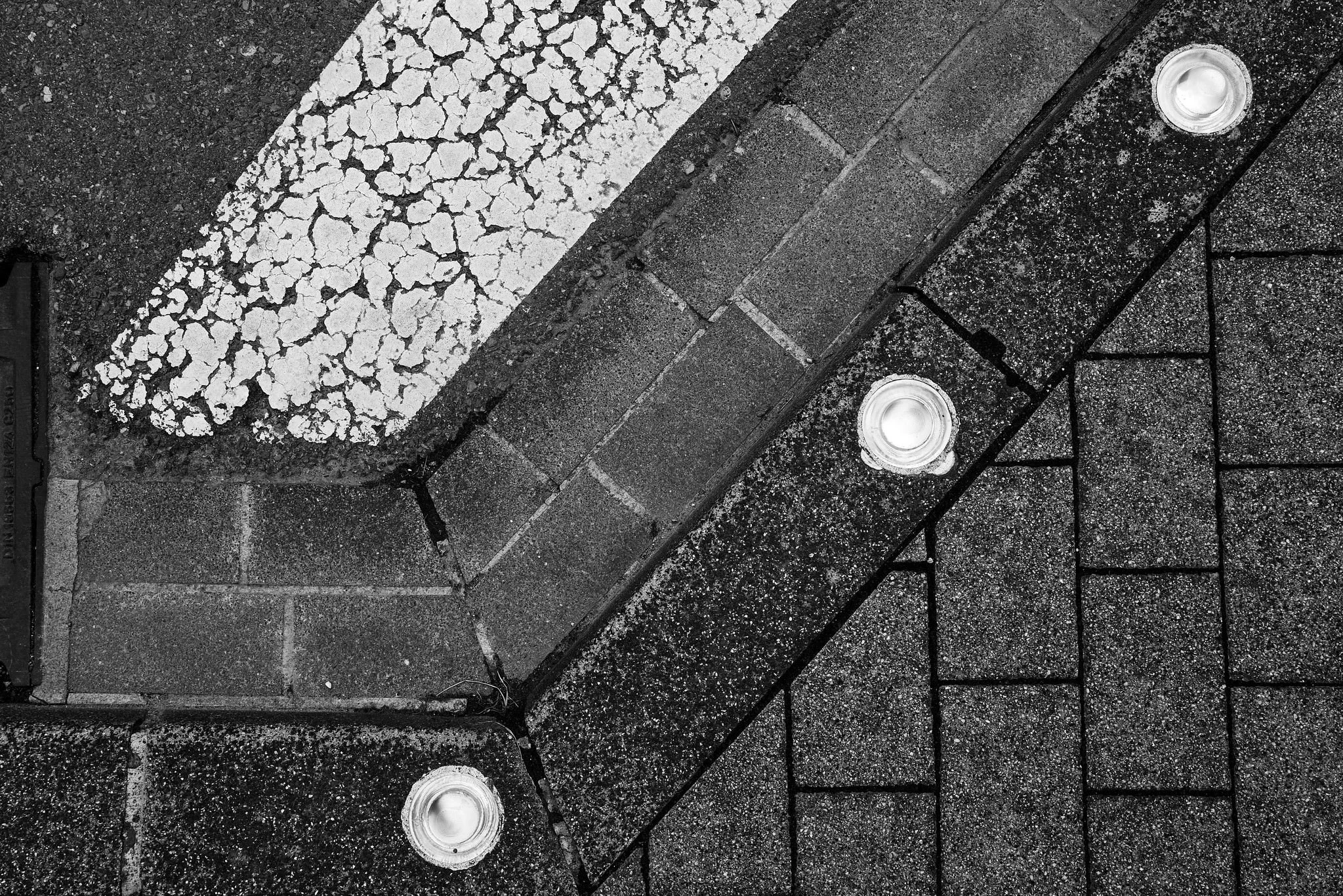
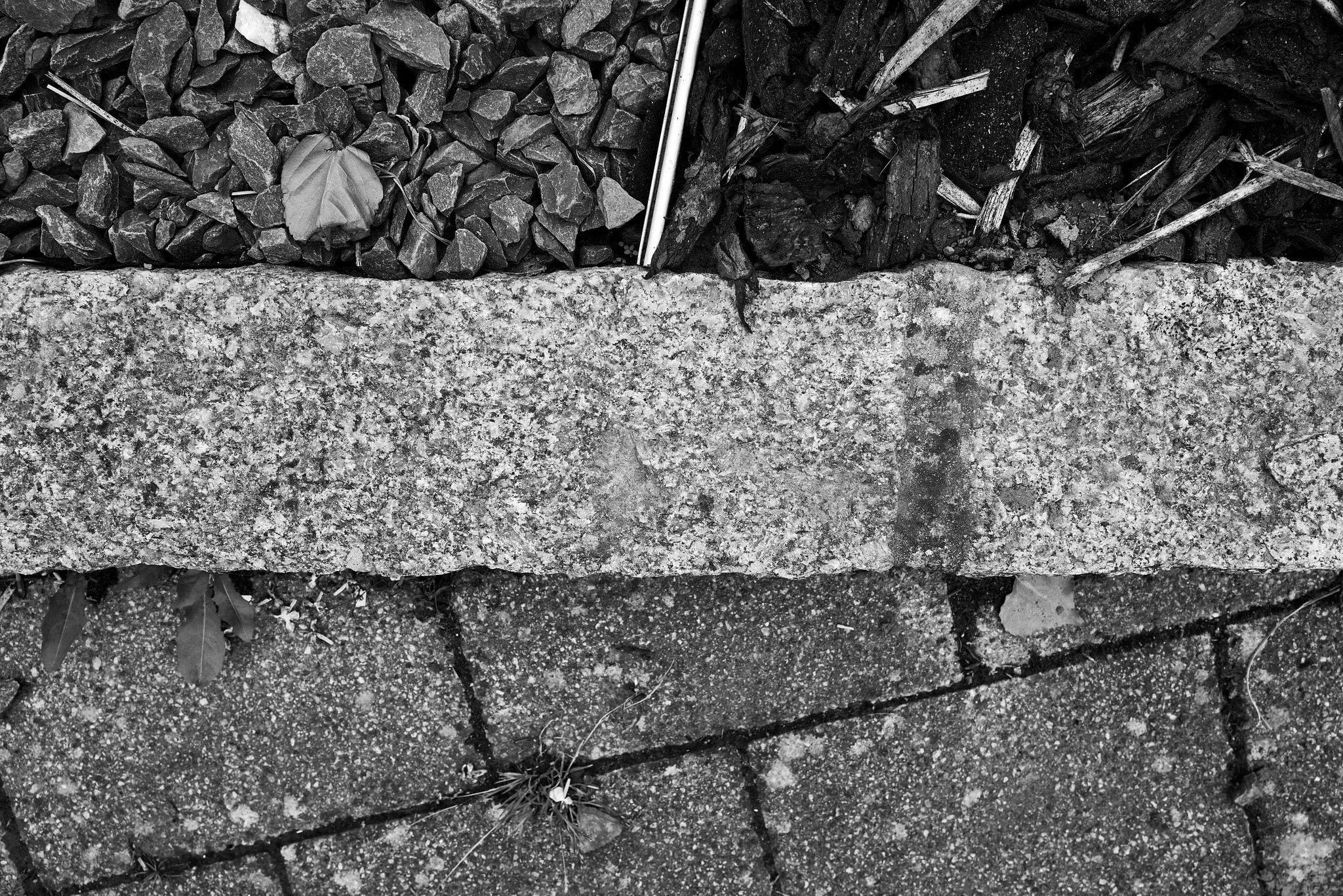
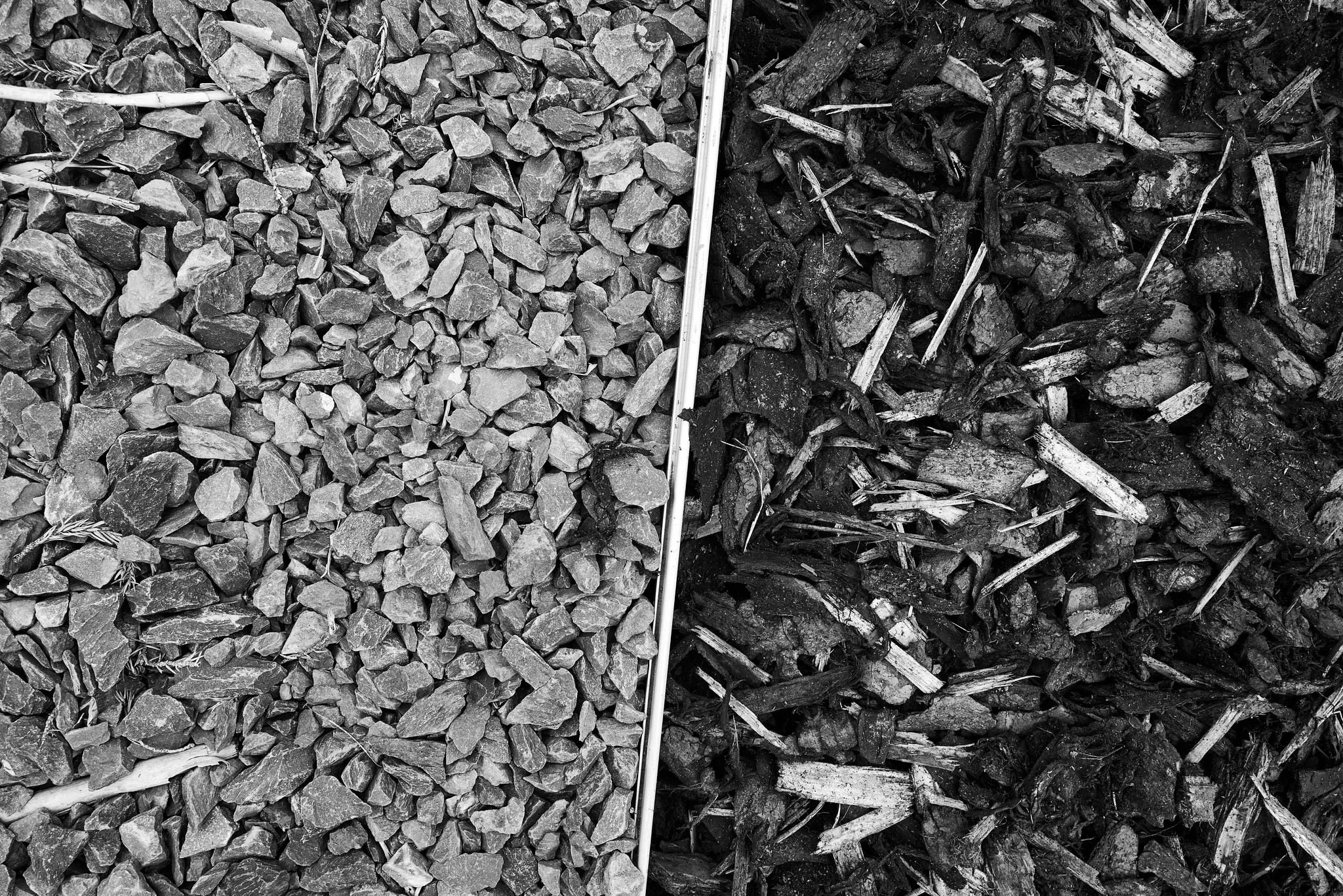
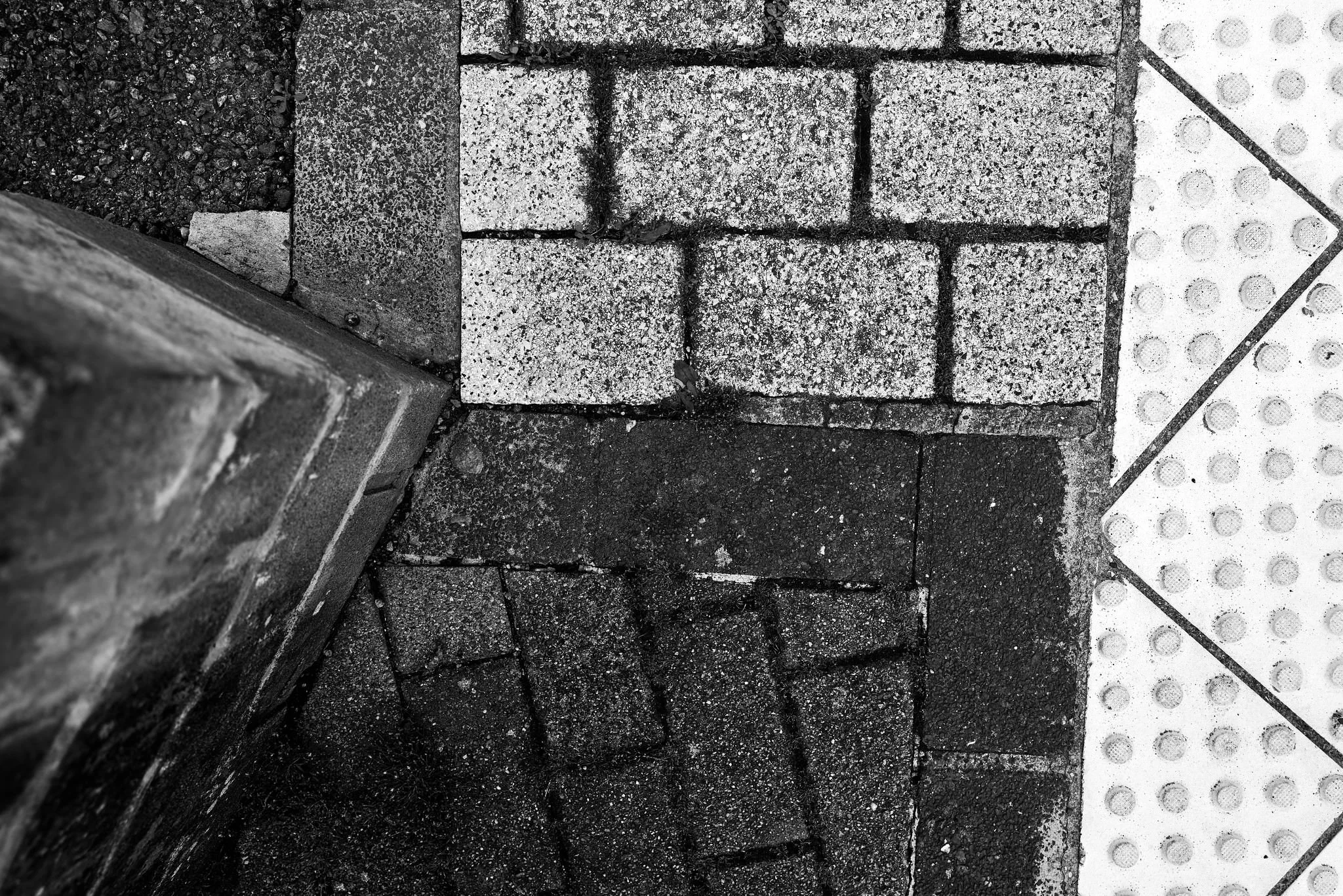
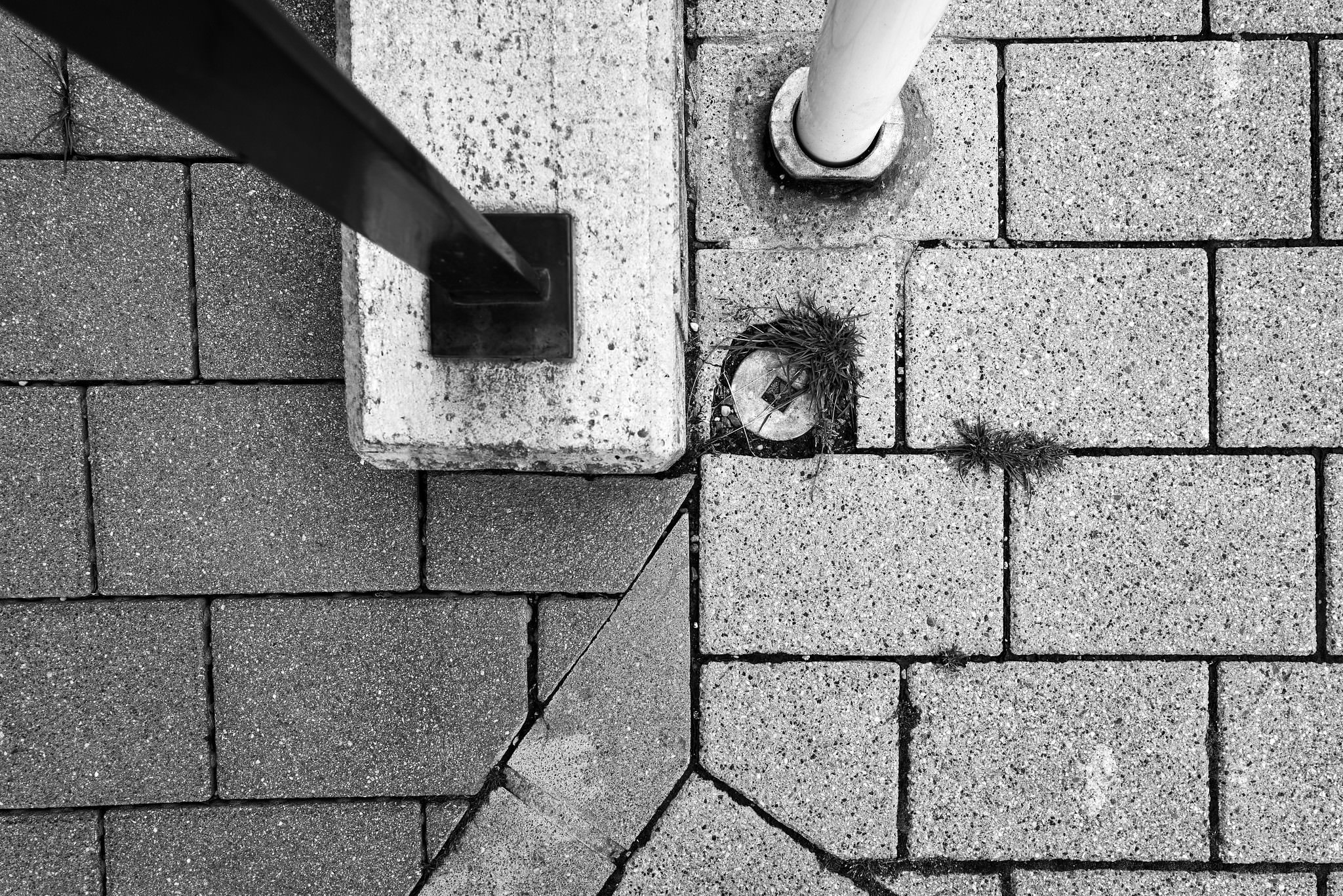
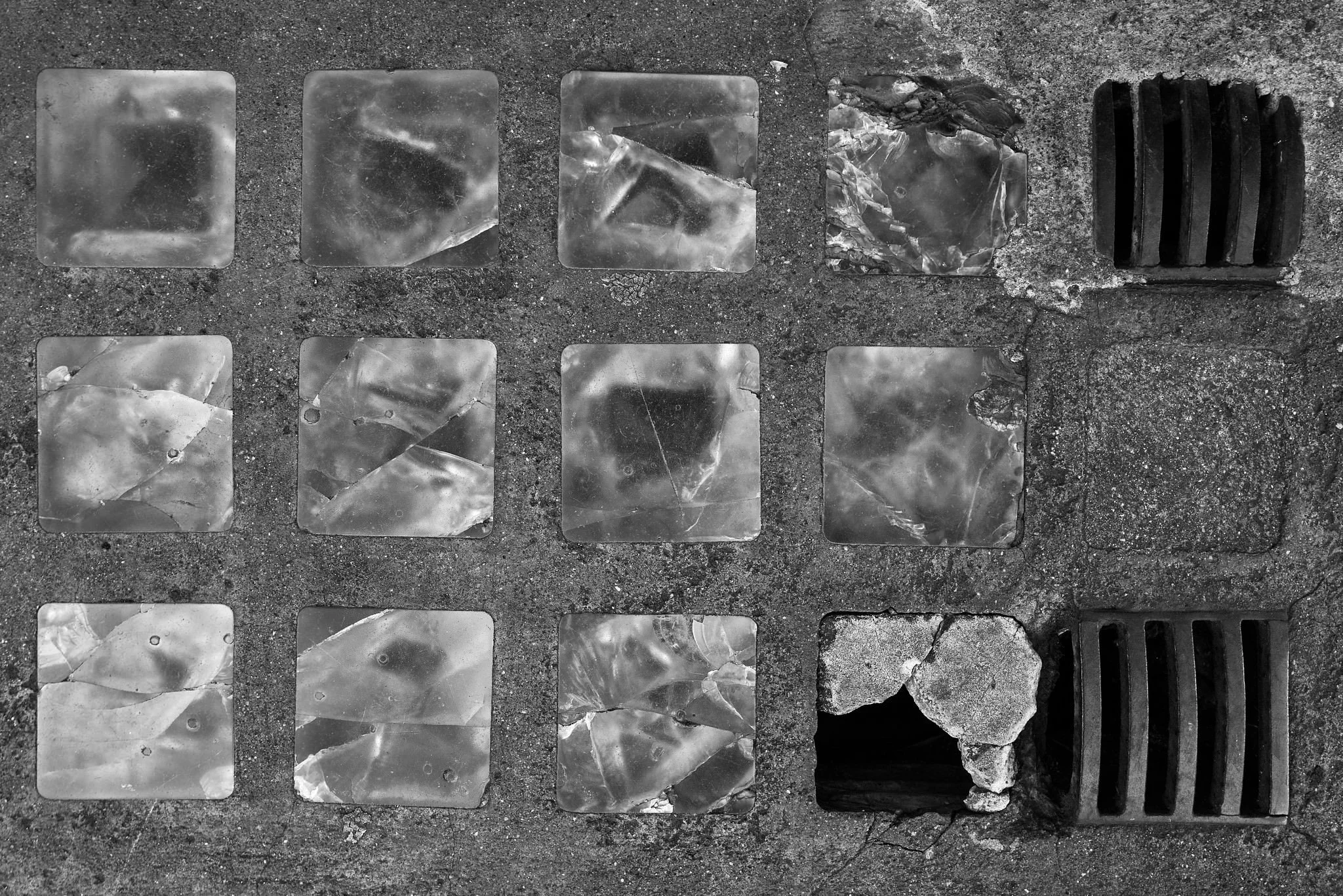
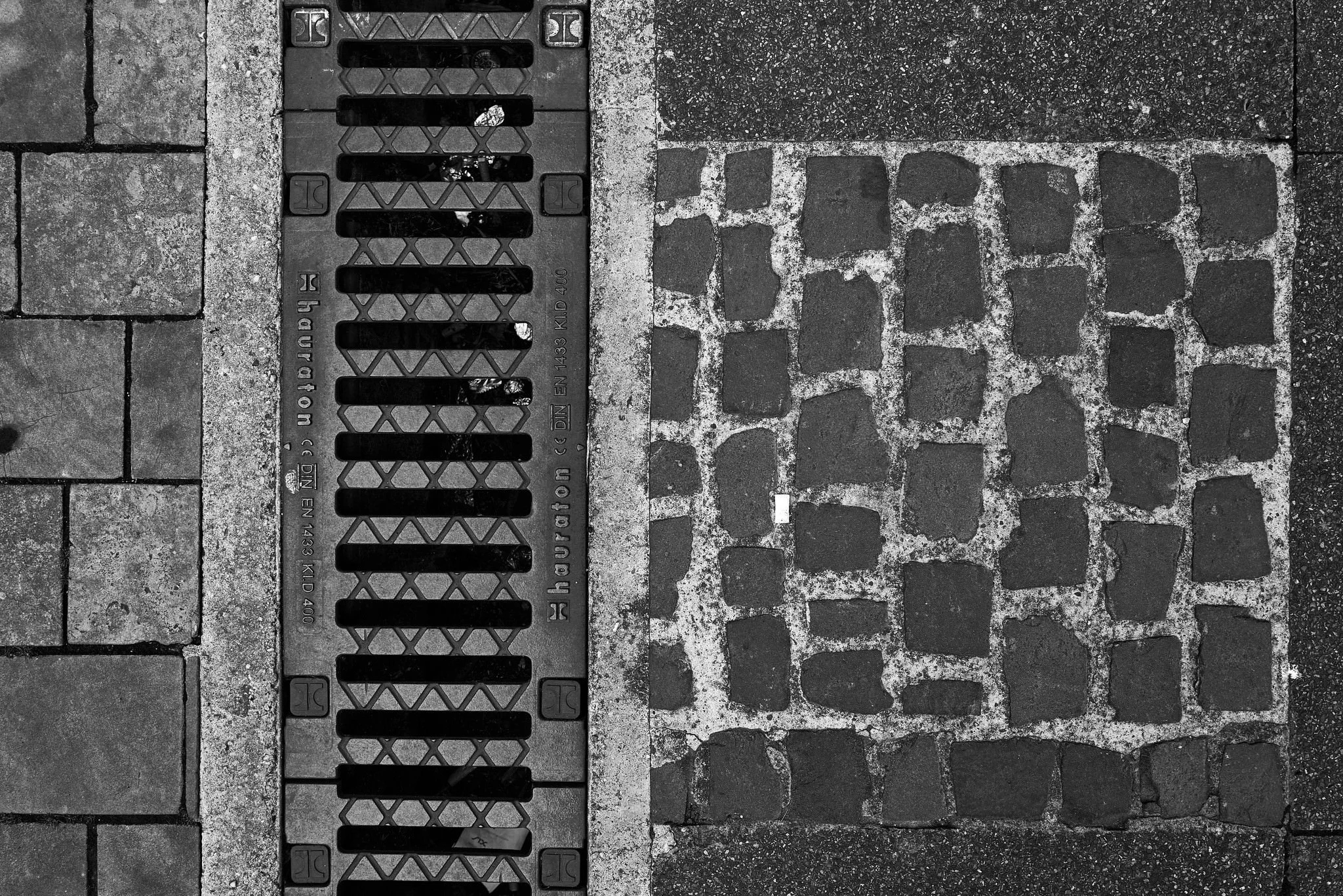
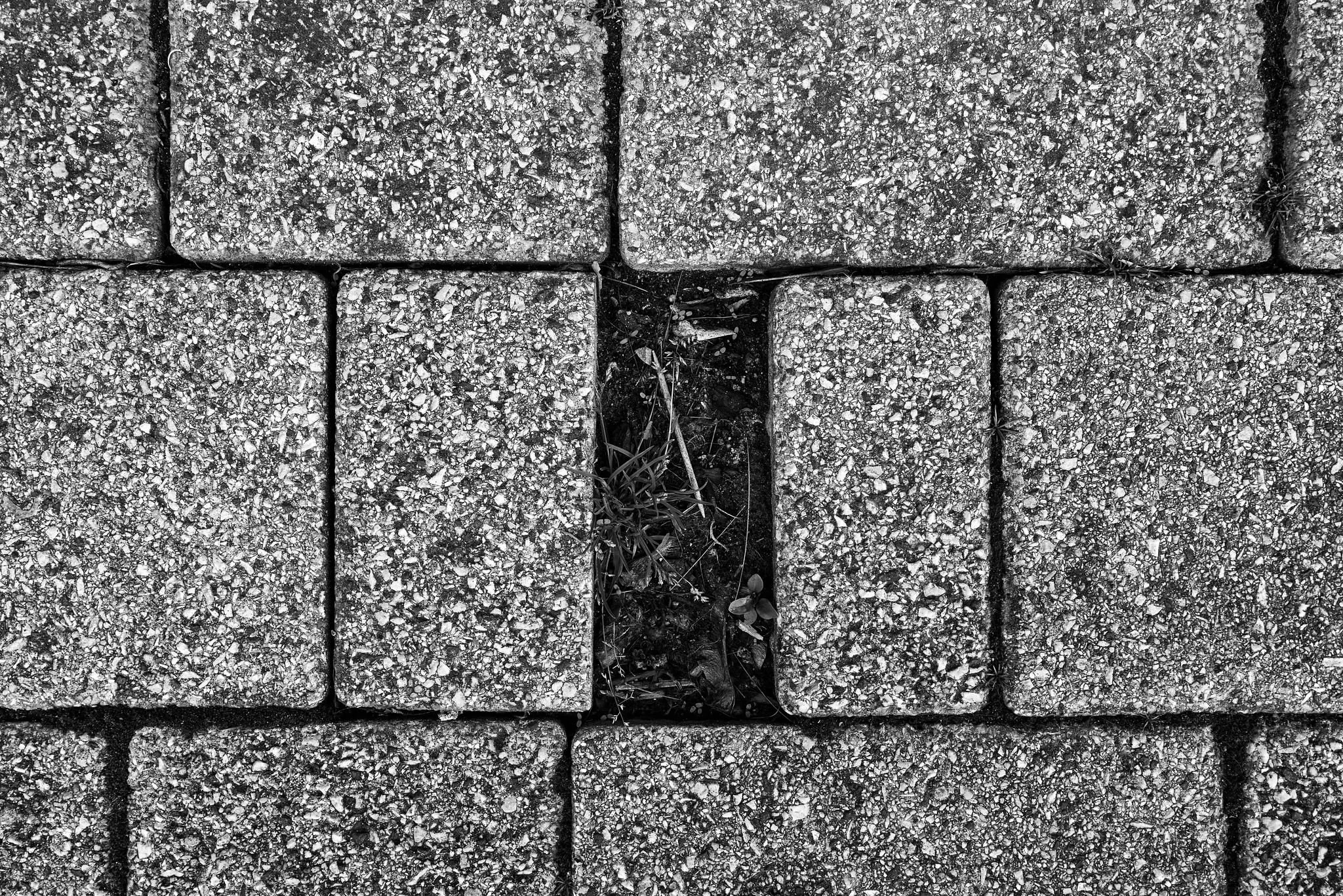
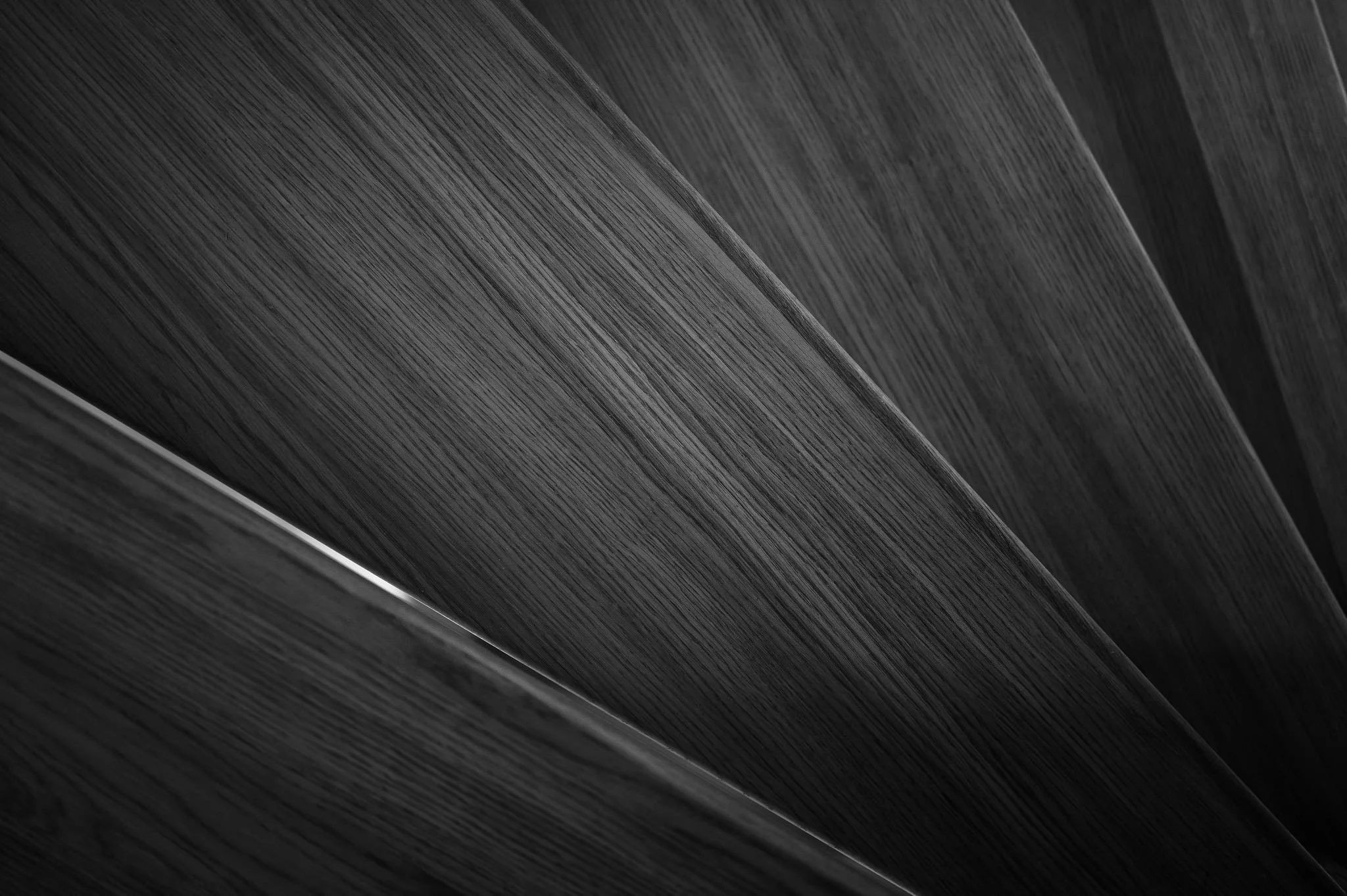
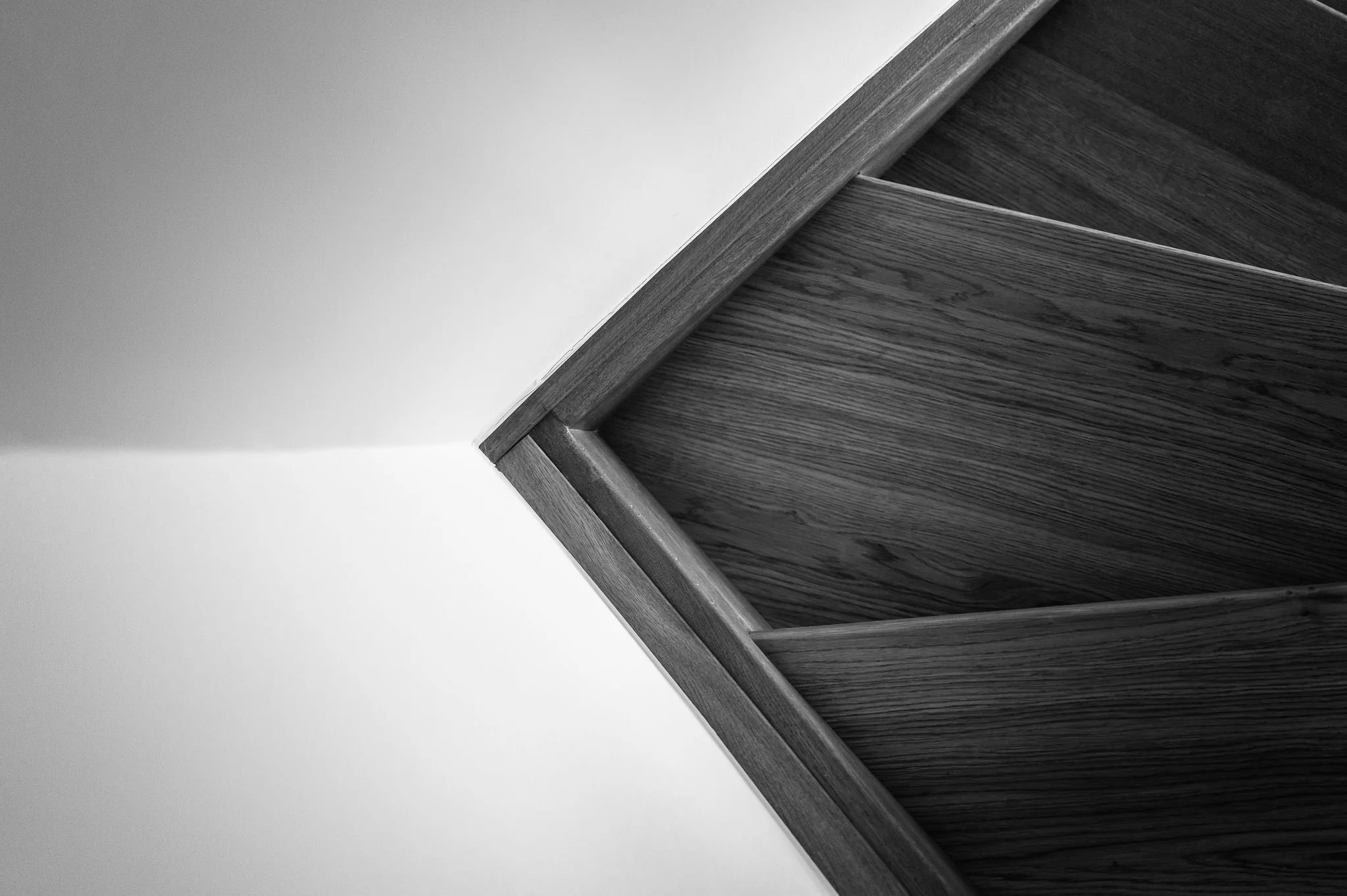
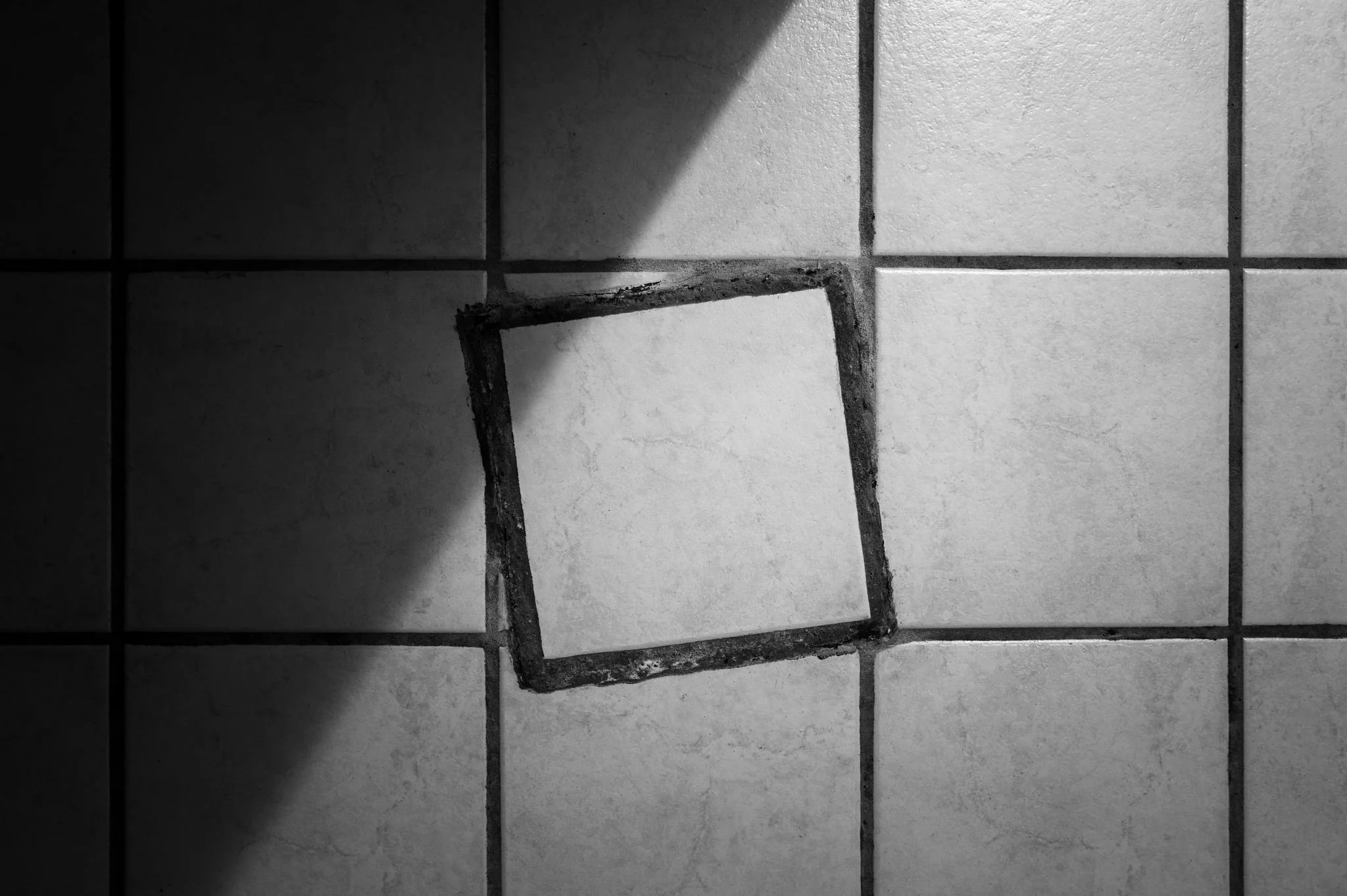
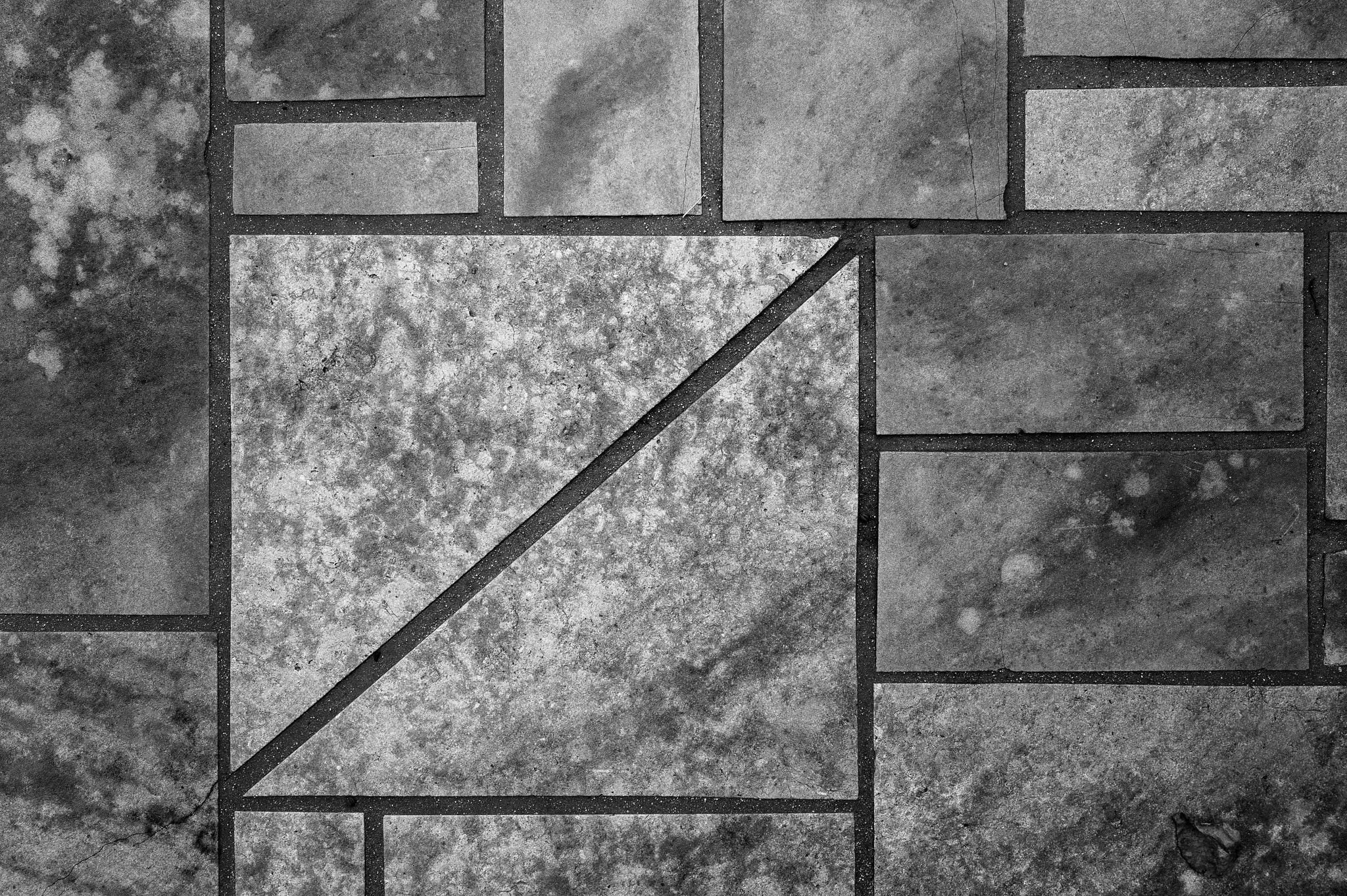
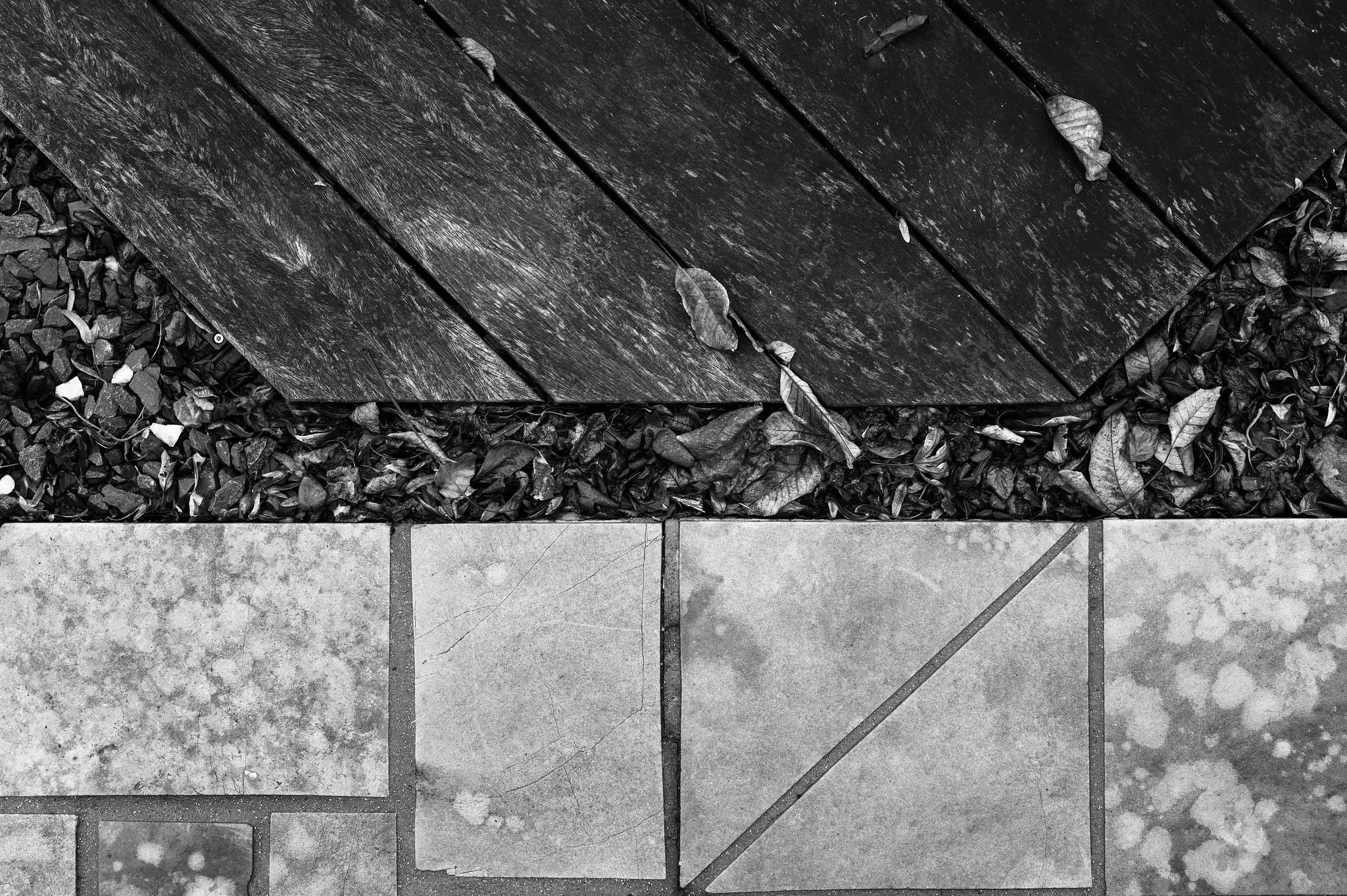
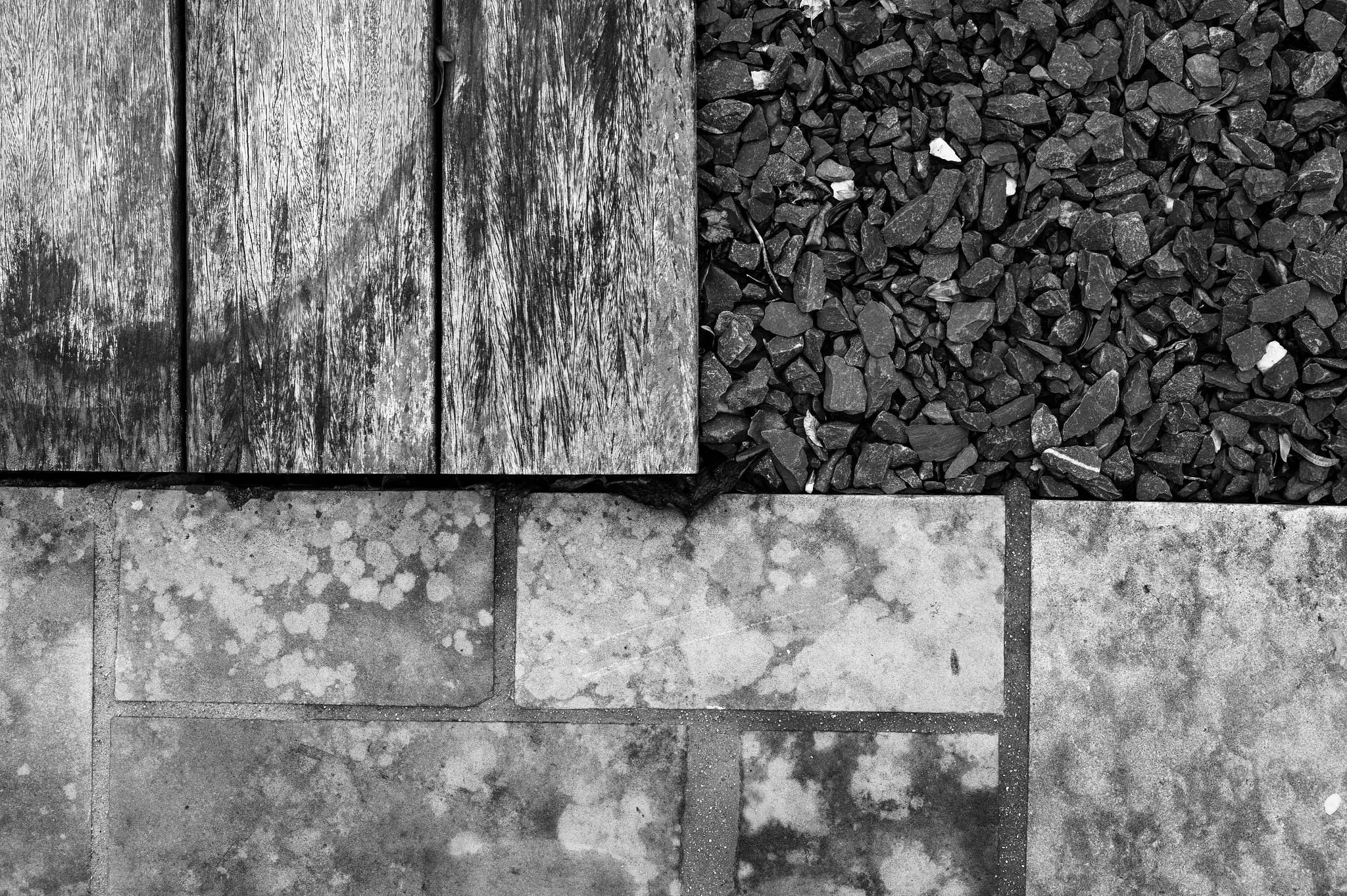
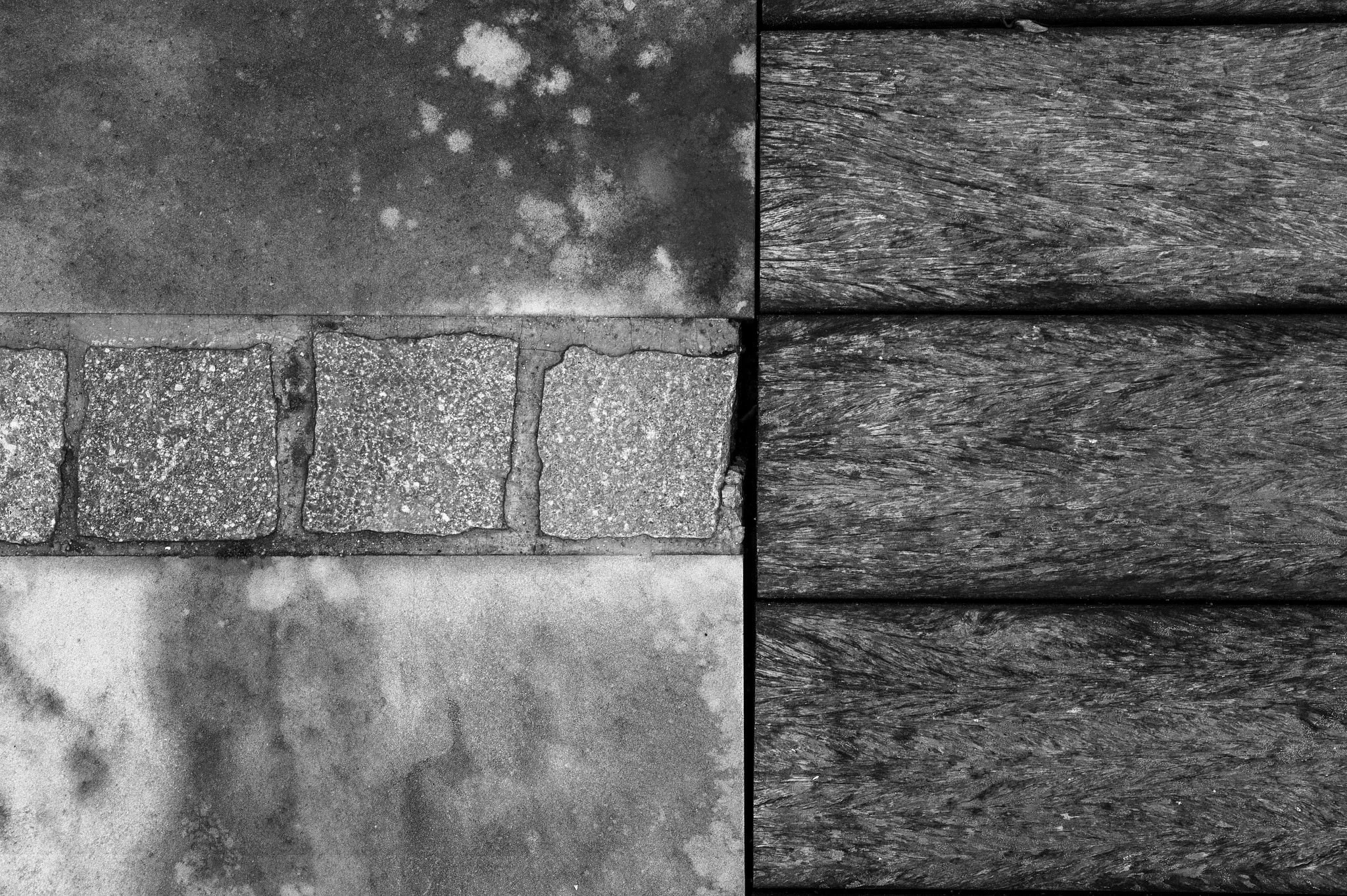
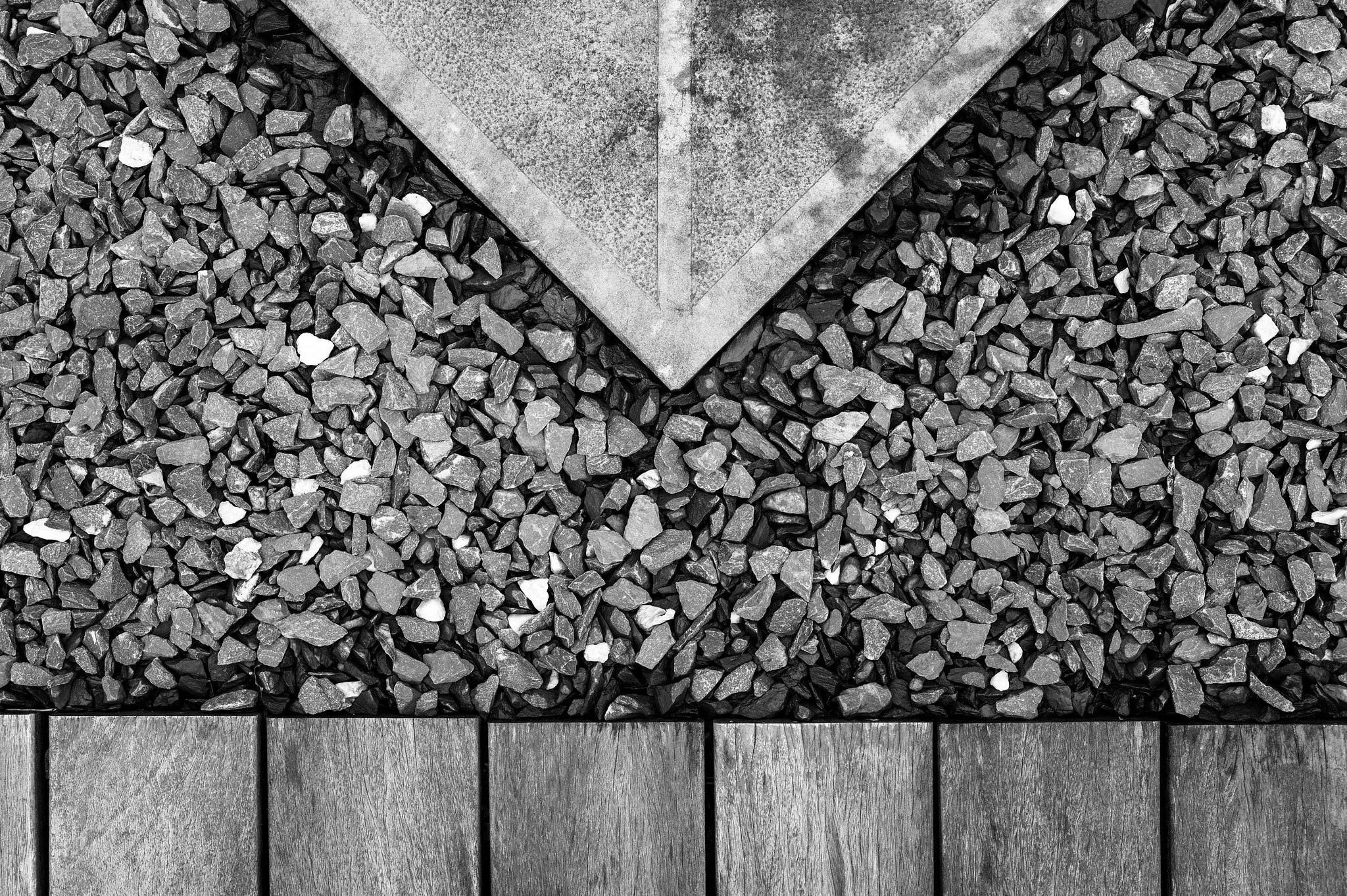
We generally do not pay much attention to what is right there on the ground in front of us. Of course, we make sure not to step into dog poop or broken glass — let’s not get too artistic — but we rarely take the time to truly notice the textures, contrasts, shapes and light beneath our feet.
And there is so much more down there than we might think.
Patterns. Materials. Discarded memories. Small glitches in the matrix. Repetition and interruption. Little stories of “why?”, “how?” and “when?”.
The more I thought about it, the more intrigued I became. I knew I wanted to document this somehow, but at first, the details were still completely unclear.
What exactly would I photograph?
How would I frame it?
Which camera and lens would I use?
How would I process the images afterwards?
This quickly became a bit of a headache — which was rather ironic, considering the whole idea was supposed to be about simplicity.
In the end, I found the perfect formula.
I would usually shoot from a straight top-down angle and process the images as high-contrast black and white photographs. I also deliberately limited myself to a fixed focal length camera: the Leica Q2 Monochrom.
Its ultra-sharp 28mm lens and stunning black-and-white-only sensor turned out to be the perfect combination to get this project off the ground. Unfortunately, I eventually had to trade in that camera when I switched to the Leica Q3. These days, I use the Leica Q3 43. And while this one has a colour sensor, the RAW files it produces are absolute beasts when it comes to black and white conversion, especially in the shadows and highlights. 🤩
One question I asked myself while writing it was: could I use a smartphone instead of a Leica for this project?
Technically, yes. Emotionally and creatively? Certainly not. 😄
The whole process would be less enjoyable, I would feel less inspired, and framing a top-down shot on a phone screen in bright sunlight is a far more “interesting” experience than doing so through a good EVF. I love using my iPhone as a daily camera to document whatever happens when I’m out and about — as Chase Jarvis famously put it, “the best camera is the one you have with you” — but for this project, the point is to slow down, look carefully, and make conscious decisions.
That is exactly why I love the Leica Q range so much. It combines simplicity, enjoyment and beautiful results in a small, devilishly good-looking package.
What fascinates me most about this project is how differently the images reveal themselves over time.
Some may seem complex and overloaded at first glance, but become calmer — almost simple — the longer you look at them. Others appear straightforward at first, only to slowly open up and invite you to peel back layer after layer, discovering tiny details that were hidden in plain sight.
And yes, I also have to admit that it cracks me up to imagine what must be going through people’s minds when they see me hunched over a random part of the pavement, absolutely delighted about the 25th photo I have just taken of a crack in the sidewalk.
“My preciousssss.”
Admit it. You just read that in Gollum’s voice. 😜
So far, my “hunting grounds” have included Luxembourg City, Echternach, Diekirch and even my own house.
I would like to end this post with a small invitation.
On your next walk, try not to simply rush from point A to point B. Instead, slow down a little. Actively scan the ground. Notice the textures, the lines, the interruptions, the little traces people leave behind.
Think of it as a small mindfulness exercise.
Because sometimes, the most interesting things are not waiting in front of us, above us, or far away.
Sometimes, they are right there.
At our feet.
If you would like to see some examples of what I just described, feel free to follow the link to the gallery at the bottom of the page.
🇫🇷 Version Française
At Our Feet (À Nos Pieds)
Une autre forme de « street photography »
Vous vous souvenez peut-être que mon tout premier article de blog parlait de l’importance d’avoir un projet personnel en tant que photographe. Dans cet article, je me concentrais sur la magnifique Aquatower à Berdorf — mais j’y mentionnais également, brièvement, un deuxième projet, plus abstrait, intitulé « At Our Feet ».
Eh bien, je me suis dit qu’il était temps d’écrire quelques lignes à son sujet également. 😉
Ce projet a commencé en 2021. Oui, pendant l’une de ces fameuses « années Covid-19 ». Télétravail, distanciation sociale, gel hydroalcoolique — aussi communément appelé désinfectant pour les mains 😅 — et masques médicaux faisaient soudainement partie de notre quotidien.
Lors des rares occasions où je m’aventurais dehors, j’ai remarqué que les mégots de cigarettes et les chewing-gums avaient été rejoints par un nouveau membre dans la grande famille des choses que certaines personnes jettent négligemment par terre : les masques médicaux.
Et cela m’a fait prendre conscience d’une chose.
En général, nous ne prêtons pas vraiment attention à ce qui se trouve juste là, sur le sol devant nous. Bien sûr, nous veillons à ne pas marcher dans une crotte de chien ou sur du verre brisé — restons tout de même un minimum pratiques — mais nous prenons rarement le temps d’observer réellement les textures, les contrastes, les formes et la lumière sous nos pieds.
Pourtant, il y a bien plus à découvrir là-dessous qu’on ne pourrait le penser.
Des motifs. Des matières. Des souvenirs abandonnés. De petits bugs dans la matrice. Des répétitions et des interruptions. De petites histoires de « pourquoi ? », de « comment ? » et de « quand ? ».
Plus j’y pensais, plus cela m’intriguait. Je savais que je voulais documenter cela d’une manière ou d’une autre, mais au début, les détails restaient encore totalement flous.
Qu’allais-je photographier exactement ?
Comment allais-je cadrer mes images ?
Quel appareil et quel objectif allais-je utiliser ?
Comment allais-je traiter les photos par la suite ?
Tout cela a rapidement commencé à me donner un léger mal de tête — ce qui était assez ironique, puisque l’idée de départ était justement censée être une question de simplicité.
Finalement, j’ai trouvé la formule parfaite.
J’allais généralement photographier depuis un angle strictement vertical, directement du dessus, puis traiter les images en noir et blanc très contrasté. J’ai également décidé de m’imposer volontairement une contrainte supplémentaire : utiliser un appareil à focale fixe, le Leica Q2 Monochrom.
Son objectif 28 mm ultra-précis et son superbe capteur exclusivement noir et blanc se sont révélés être la combinaison parfaite pour lancer ce projet. Malheureusement, j’ai finalement dû me séparer de cet appareil lorsque je suis passé au Leica Q3. Aujourd’hui, j’utilise le Leica Q3 43. Et même si celui-ci possède un capteur couleur, les fichiers RAW qu’il produit sont absolument redoutables lorsqu’il s’agit de conversion en noir et blanc, notamment dans les ombres et les hautes lumières. 🤩
Une question que je me suis posée en écrivant ce texte était la suivante : pourrais-je utiliser un smartphone au lieu d’un Leica pour ce projet ?
Techniquement, oui. Émotionnellement et créativement ? Certainement pas. 😄
Tout le processus serait moins agréable, je me sentirais moins inspiré, et cadrer une photo strictement verticale sur l’écran d’un téléphone en plein soleil est une expérience bien plus « intéressante » que de le faire à travers un bon viseur électronique. J’adore utiliser mon iPhone comme appareil photo du quotidien pour documenter ce qui se passe lorsque je suis en vadrouille — comme Chase Jarvis l’a si bien formulé : « le meilleur appareil photo est celui que l’on a avec soi » — mais pour ce projet, l’idée est justement de ralentir, d’observer attentivement et de prendre des décisions conscientes.
C’est exactement pour cette raison que j’aime tellement la gamme Leica Q. Elle combine simplicité, plaisir d’utilisation et superbes résultats dans un petit boîtier diablement séduisant.
Ce qui me fascine le plus dans ce projet, c’est la manière dont les images se révèlent différemment avec le temps.
Certaines peuvent sembler complexes et surchargées au premier regard, avant de devenir plus calmes — presque simples — plus on les observe. D’autres paraissent très directes au départ, puis s’ouvrent progressivement et nous invitent à en dévoiler couche après couche, jusqu’à découvrir de minuscules détails qui étaient pourtant cachés en pleine vue.
Et oui, je dois aussi avouer que cela me fait beaucoup rire d’imaginer ce qui peut bien passer par la tête des gens lorsqu’ils me voient penché au-dessus d’un morceau de trottoir totalement quelconque, absolument ravi de la 25e photo que je viens de prendre d’une fissure dans le pavé.
« Mon précieuuuuux. »
Avouez-le. Vous venez de le lire avec la voix de Gollum. 😜
Jusqu’à présent, mes « terrains de chasse » ont notamment inclus Luxembourg-Ville, Echternach, Diekirch et même ma propre maison.
J’aimerais terminer cet article par une petite invitation.
Lors de votre prochaine promenade, essayez de ne pas simplement vous précipiter d’un point A à un point B. Ralentissez un peu. Observez activement le sol. Remarquez les textures, les lignes, les interruptions, les petites traces que les gens laissent derrière eux.
Voyez cela comme un petit exercice de pleine conscience.
Car parfois, les choses les plus intéressantes ne nous attendent pas devant nous, au-dessus de nous ou très loin d’ici.
Parfois, elles sont juste là.
À nos pieds.
Si vous souhaitez voir quelques exemples de ce que je viens de décrire, n’hésitez pas à suivre le lien vers la galerie en bas de page.
🇩🇪 Deutsche Version
At Our Feet (Zu Unseren Füßen)
Eine andere Art der „Street Photography“
Vielleicht erinnerst du dich noch daran, dass es in meinem allerersten Blogbeitrag um die Bedeutung persönlicher Leidenschaftsprojekte in der Fotografie ging. In diesem Beitrag stand der absolut beeindruckende Aquatower in Berdorf im Mittelpunkt — aber ich erwähnte dort auch kurz ein zweites, abstrakteres Projekt von mir mit dem Titel „At Our Feet“.
Nun, ich dachte mir, es wäre an der Zeit, auch darüber ein paar Zeilen zu schreiben. 😉
Dieses Projekt begann im Jahr 2021. Ja, während eines dieser berüchtigten „Covid-19-Jahre“. Homeoffice, soziale Distanzierung, hydroalkoholisches Gel — auch bekannt als Handdesinfektionsmittel 😅 — und medizinische Masken waren plötzlich Teil unseres Alltags.
Bei den seltenen Gelegenheiten, bei denen ich mich nach draußen wagte, fiel mir auf, dass Zigarettenstummel und Kaugummis Gesellschaft bekommen hatten. Ein neuer Kandidat hatte sich in die Reihe der Dinge eingereiht, die manche Menschen achtlos wegwerfen: medizinische Masken.
Und das brachte mich zum Nachdenken.
Im Allgemeinen schenken wir dem, was direkt vor uns auf dem Boden liegt, kaum Aufmerksamkeit. Natürlich achten wir darauf, nicht in Hundekot oder Glasscherben zu treten — ganz so künstlerisch muss es dann doch nicht werden — aber nur selten nehmen wir uns die Zeit, die Texturen, Kontraste, Formen und das Licht unter unseren Füßen wirklich wahrzunehmen.
Dabei gibt es dort unten so viel mehr zu entdecken, als man vielleicht denkt.
Muster. Materialien. Weggeworfene Erinnerungen. Kleine Fehler in der Matrix. Wiederholung und Unterbrechung. Kleine Geschichten über „warum?“, „wie?“ und „wann?“.
Je mehr ich darüber nachdachte, desto faszinierter war ich. Ich wusste, dass ich das irgendwie dokumentieren wollte, aber anfangs waren die Details noch völlig unklar.
Was genau würde ich fotografieren?
Wie würde ich die Bilder rahmen?
Welche Kamera und welches Objektiv würde ich verwenden?
Wie würde ich die Aufnahmen anschließend bearbeiten?
Das Ganze entwickelte sich schnell zu einem kleinen Kopfzerbrechen — was ziemlich ironisch war, da die Grundidee eigentlich von Einfachheit handeln sollte.
Am Ende fand ich die perfekte Formel.
Ich würde meistens streng von oben fotografieren und die Bilder anschließend als kontrastreiche Schwarz-Weiß-Fotografien bearbeiten. Außerdem beschloss ich ganz bewusst, mich auf eine Kamera mit fester Brennweite zu beschränken: die Leica Q2 Monochrom.
Ihr ultrascharfes 28-mm-Objektiv und der beeindruckende reine Schwarz-Weiß-Sensor erwiesen sich als perfekte Kombination, um dieses Projekt ins Rollen zu bringen. Leider musste ich mich irgendwann von dieser Kamera trennen, als ich auf die Leica Q3 umstieg. Heute arbeite ich mit der Leica Q3 43. Auch wenn diese einen Farbsensor besitzt, sind die RAW-Dateien, die sie liefert, absolute Kraftpakete, wenn es um Schwarz-Weiß-Umwandlungen geht — besonders in den Schatten und Lichtern. 🤩
Eine Frage, die ich mir beim Schreiben dieses Textes gestellt habe, war: Könnte ich für dieses Projekt auch ein Smartphone statt einer Leica verwenden?
Technisch gesehen: ja. Emotional und kreativ? Ganz sicher nicht. 😄
Der gesamte Prozess würde mir weniger Freude bereiten, ich würde mich weniger inspiriert fühlen, und eine streng von oben fotografierte Aufnahme bei hellem Sonnenlicht auf einem Smartphone-Bildschirm zu komponieren, ist eine deutlich „interessantere“ Erfahrung, als dies durch einen guten elektronischen Sucher zu tun. Ich nutze mein iPhone sehr gerne als Alltagskamera, um festzuhalten, was mir unterwegs begegnet — wie Chase Jarvis es so treffend formulierte: „Die beste Kamera ist die, die man dabeihat“ — aber bei diesem Projekt geht es gerade darum, langsamer zu werden, genau hinzusehen und bewusste Entscheidungen zu treffen.
Genau deshalb liebe ich die Leica-Q-Reihe so sehr. Sie verbindet Einfachheit, Freude am Fotografieren und wunderschöne Ergebnisse in einem kleinen, teuflisch gut aussehenden Paket.
Was mich an diesem Projekt am meisten fasziniert, ist die Art und Weise, wie unterschiedlich sich die Bilder mit der Zeit offenbaren.
Manche wirken auf den ersten Blick komplex und überladen, werden aber ruhiger — fast schlicht — je länger man sie betrachtet. Andere erscheinen zunächst sehr geradlinig, öffnen sich dann aber nach und nach und laden dazu ein, Schicht für Schicht freizulegen, bis man winzige Details entdeckt, die eigentlich direkt vor den eigenen Augen verborgen waren.
Und ja, ich muss auch zugeben, dass es mich sehr amüsiert, mir vorzustellen, was wohl in den Köpfen der Menschen vorgeht, wenn sie mich über irgendein völlig unscheinbares Stück Gehweg gebeugt sehen, während ich mich über das 25. Foto freue, das ich gerade von einem Riss im Pflaster gemacht habe.
„Mein Schaaaatz.“
Gib es zu. Du hast das gerade mit Gollums Stimme gelesen. 😜
Bisher gehörten Luxemburg-Stadt, Echternach, Diekirch und sogar mein eigenes Haus zu meinen „Jagdgebieten“.
Ich möchte diesen Beitrag mit einer kleinen Einladung beenden.
Versuche bei deinem nächsten Spaziergang, nicht einfach nur von Punkt A nach Punkt B zu eilen. Werde ein wenig langsamer. Schau bewusst auf den Boden. Nimm die Texturen wahr, die Linien, die Unterbrechungen und die kleinen Spuren, die Menschen hinterlassen.
Betrachte es als eine kleine Achtsamkeitsübung.
Denn manchmal warten die interessantesten Dinge nicht vor uns, über uns oder weit entfernt.
Manchmal liegen sie direkt dort.
Zu unseren Füßen.
Wenn du ein paar Beispiele für das sehen möchtest, was ich gerade beschrieben habe, folge gerne dem Link zur Galerie am Ende der Seite.